Fishing The Ure At Masham
2019-07-01 Walking the Burn
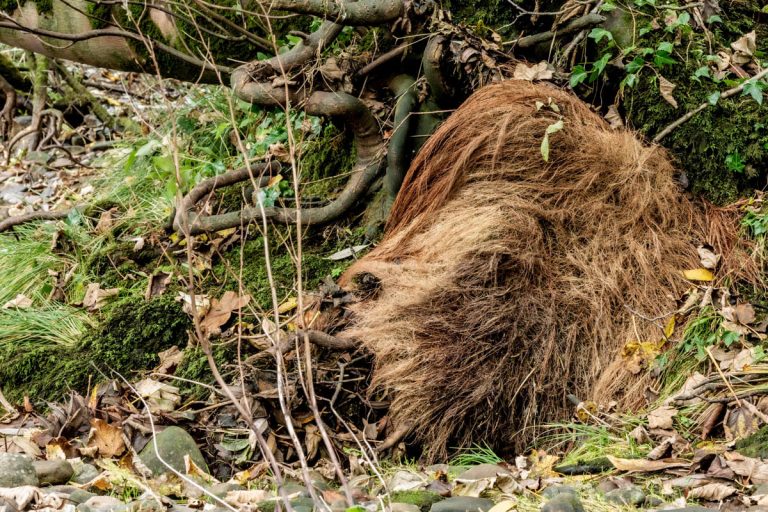
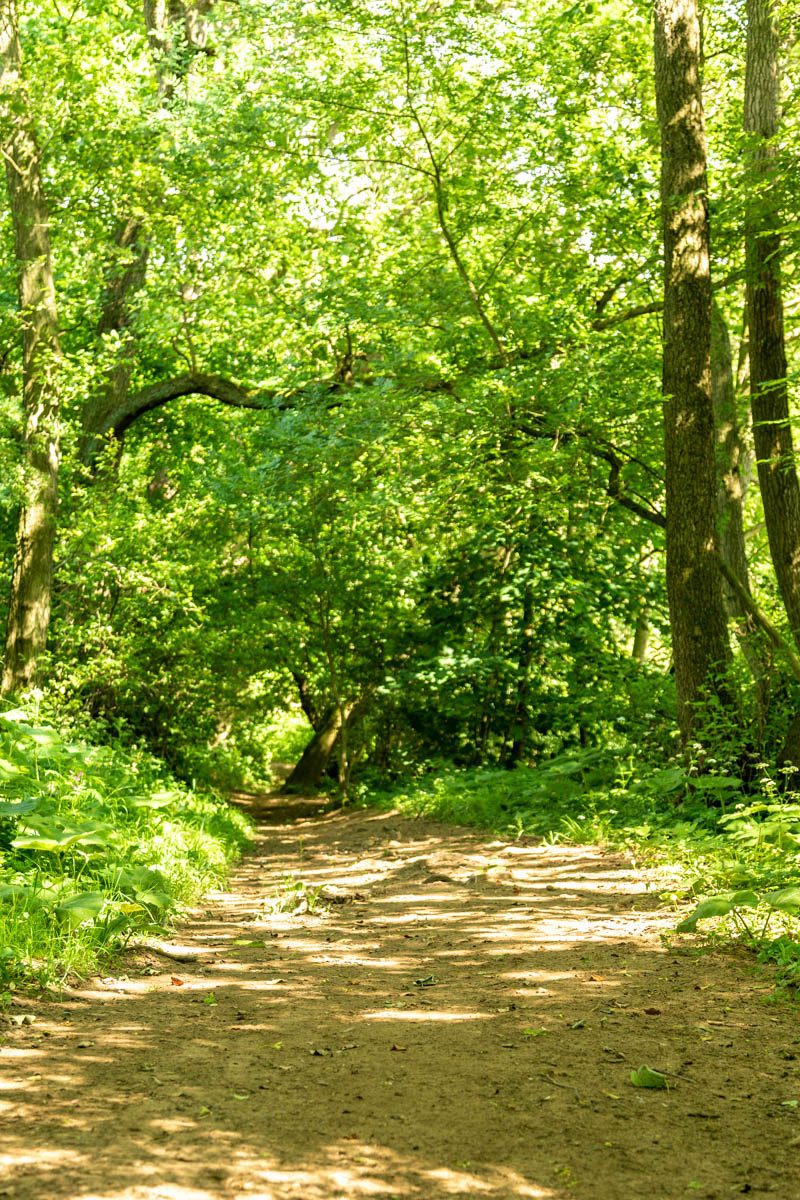
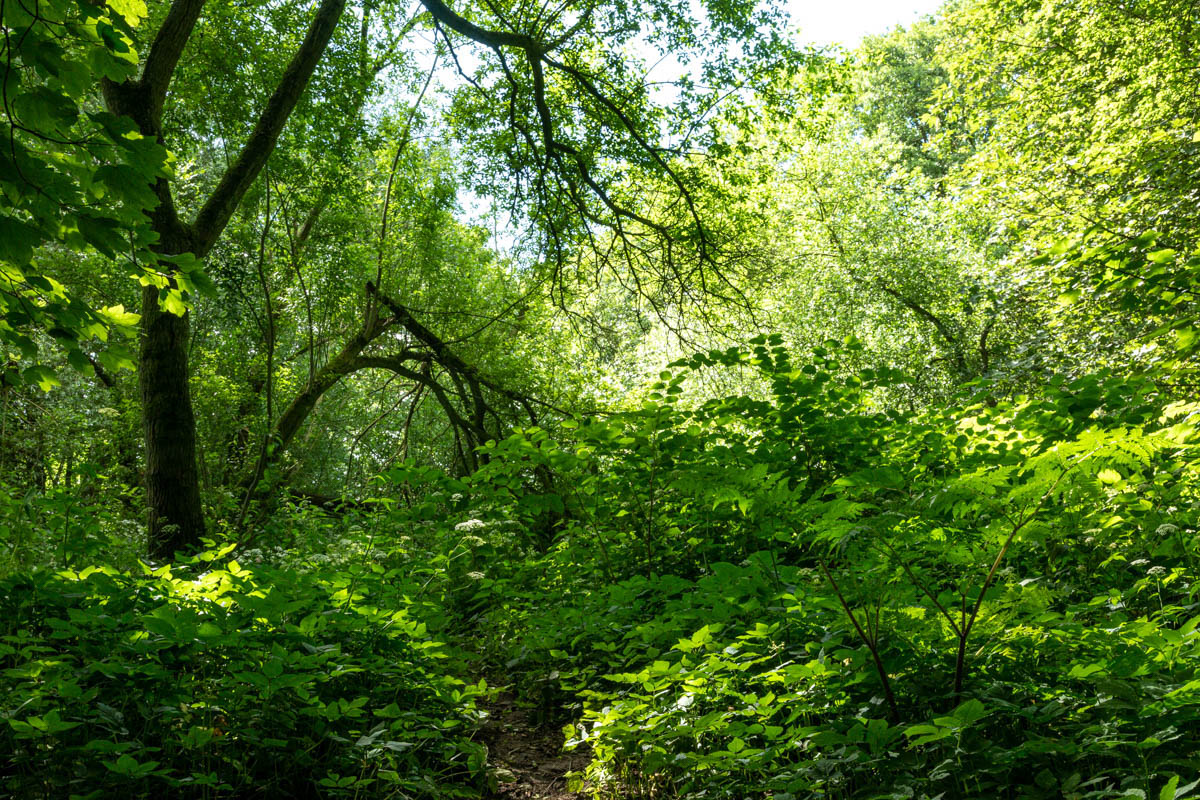
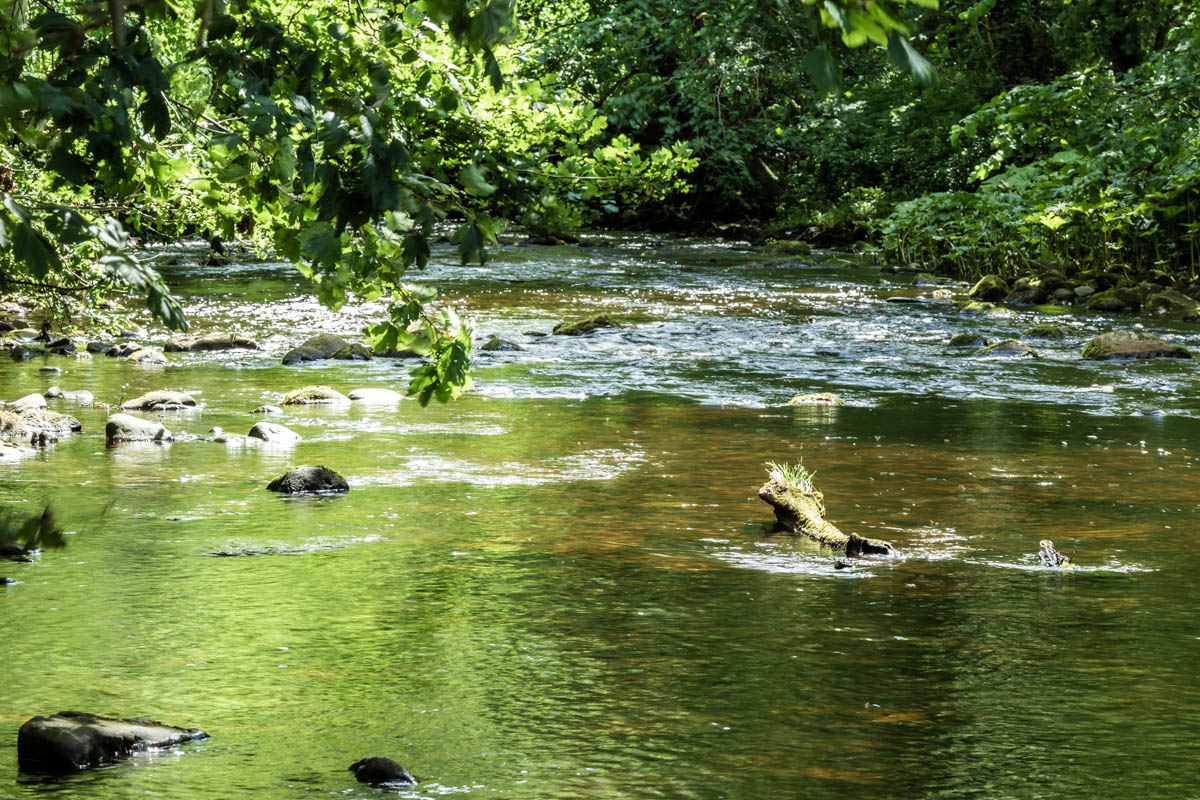
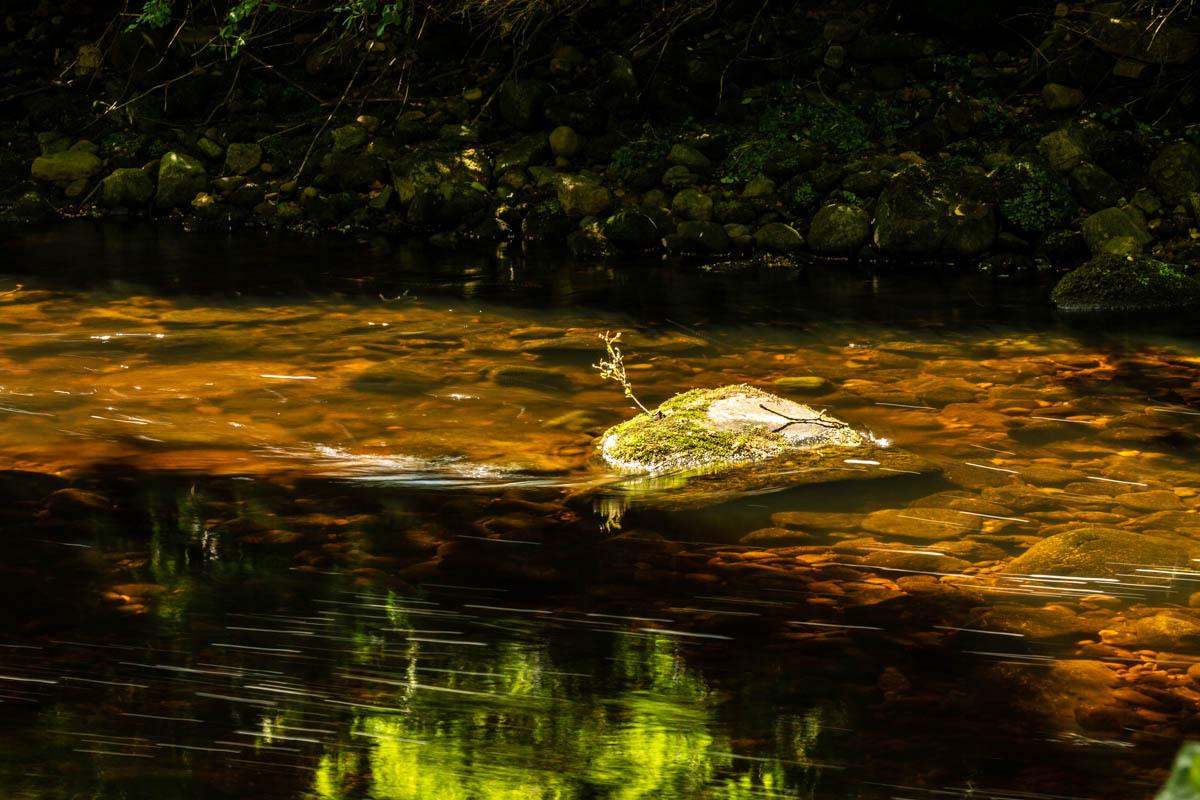
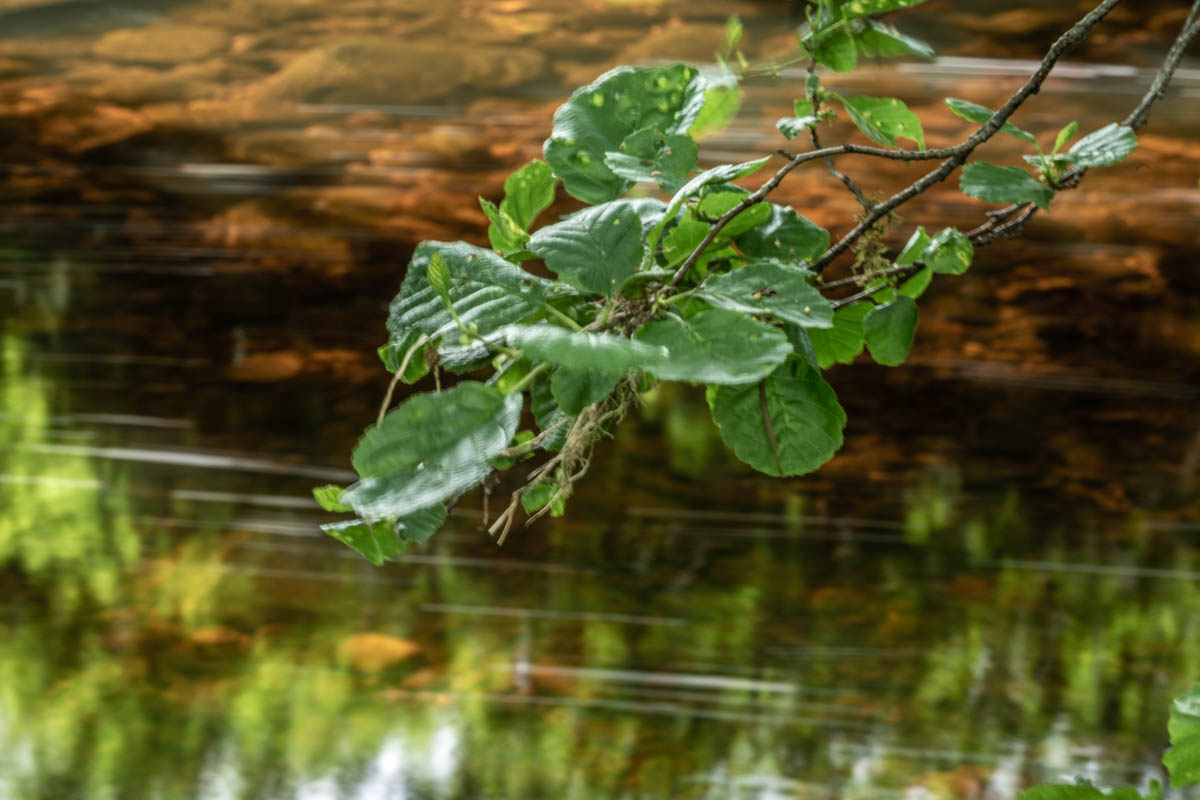
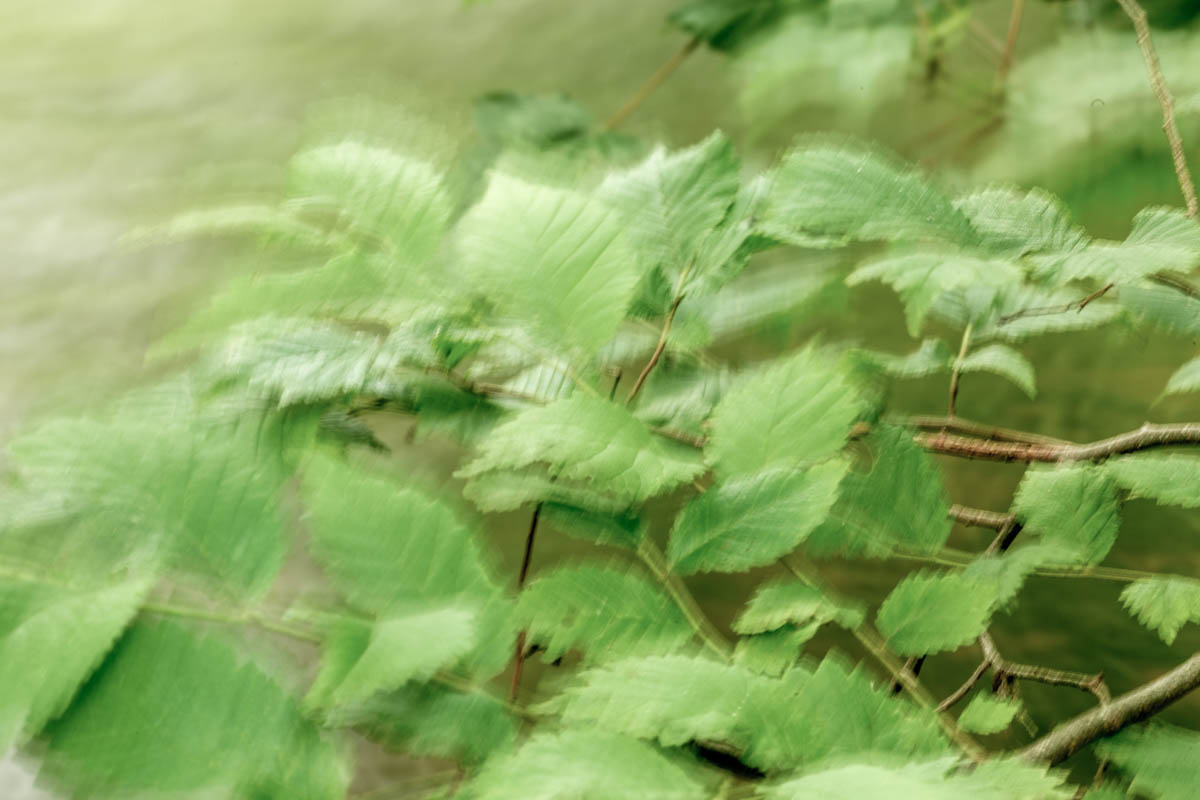
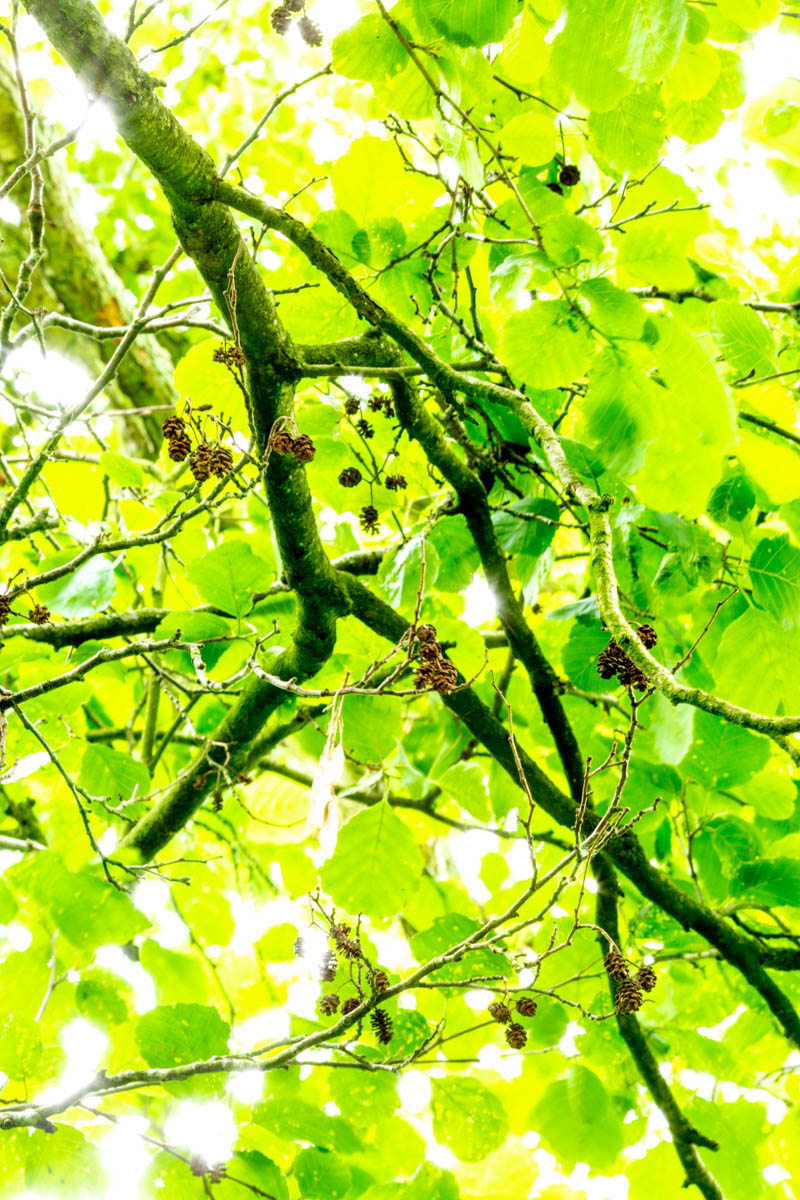
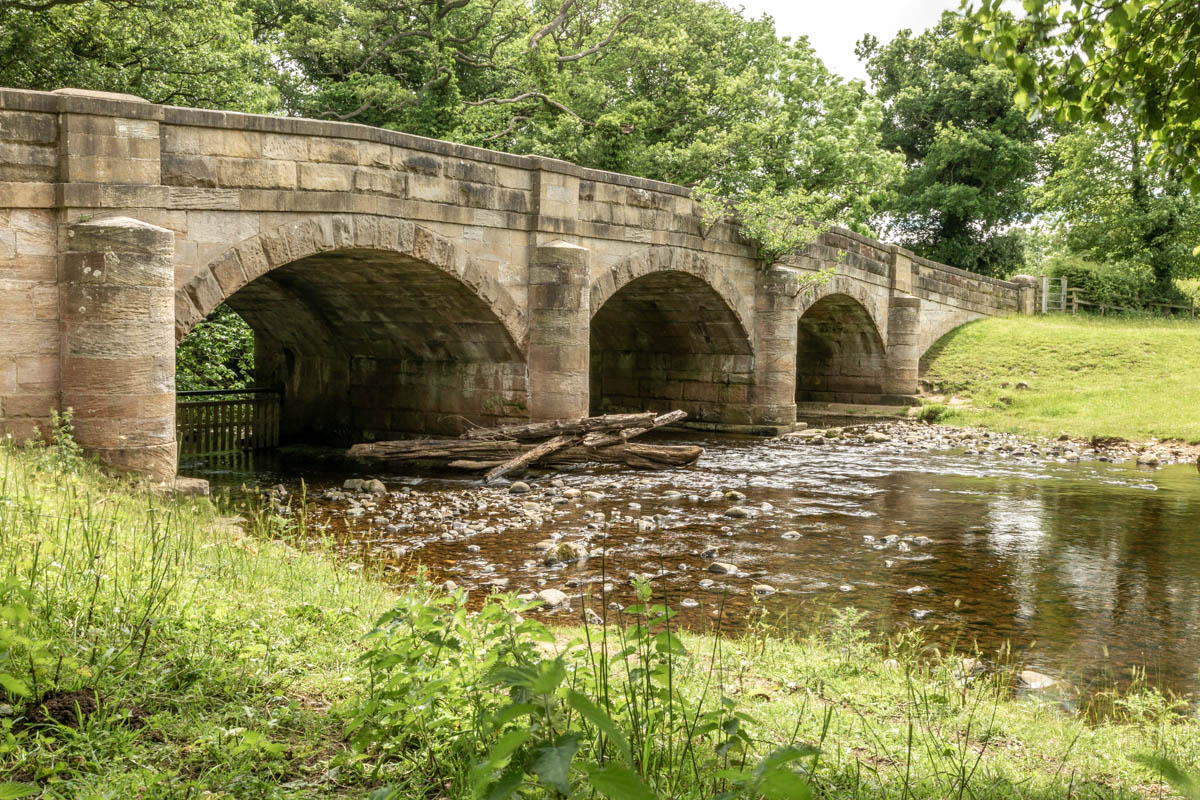
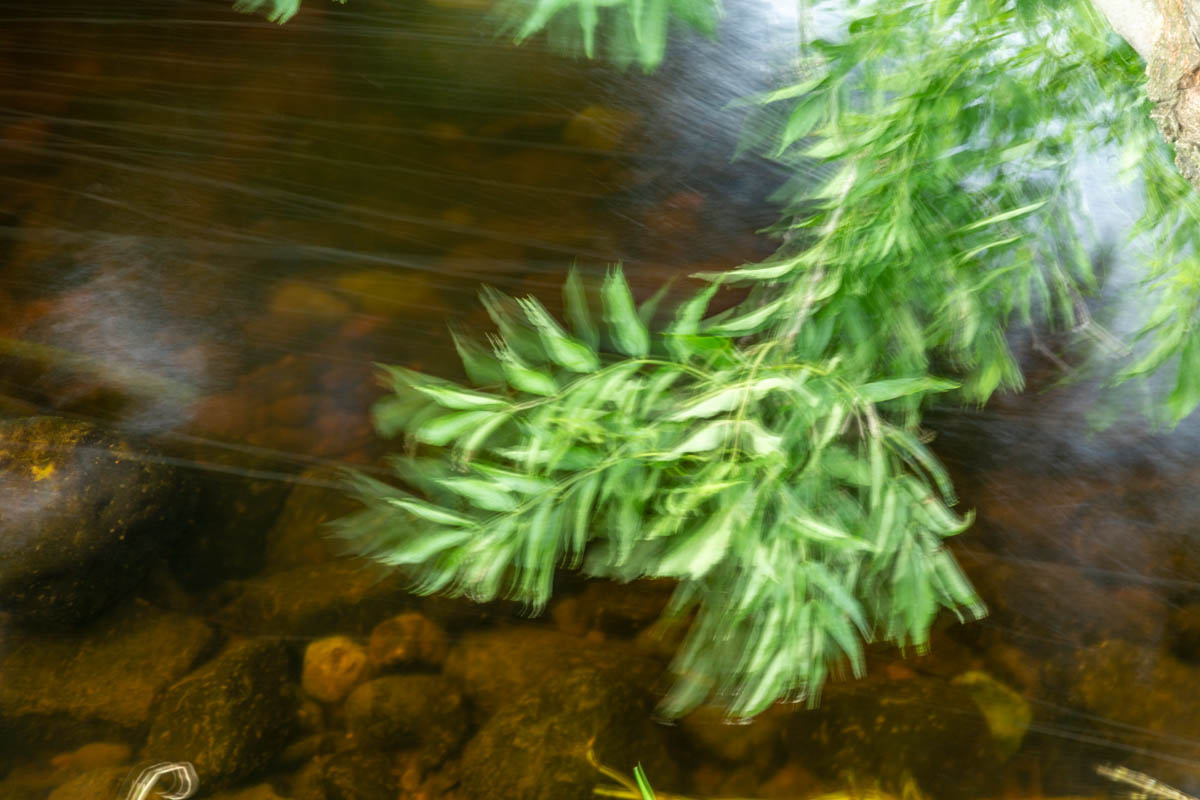
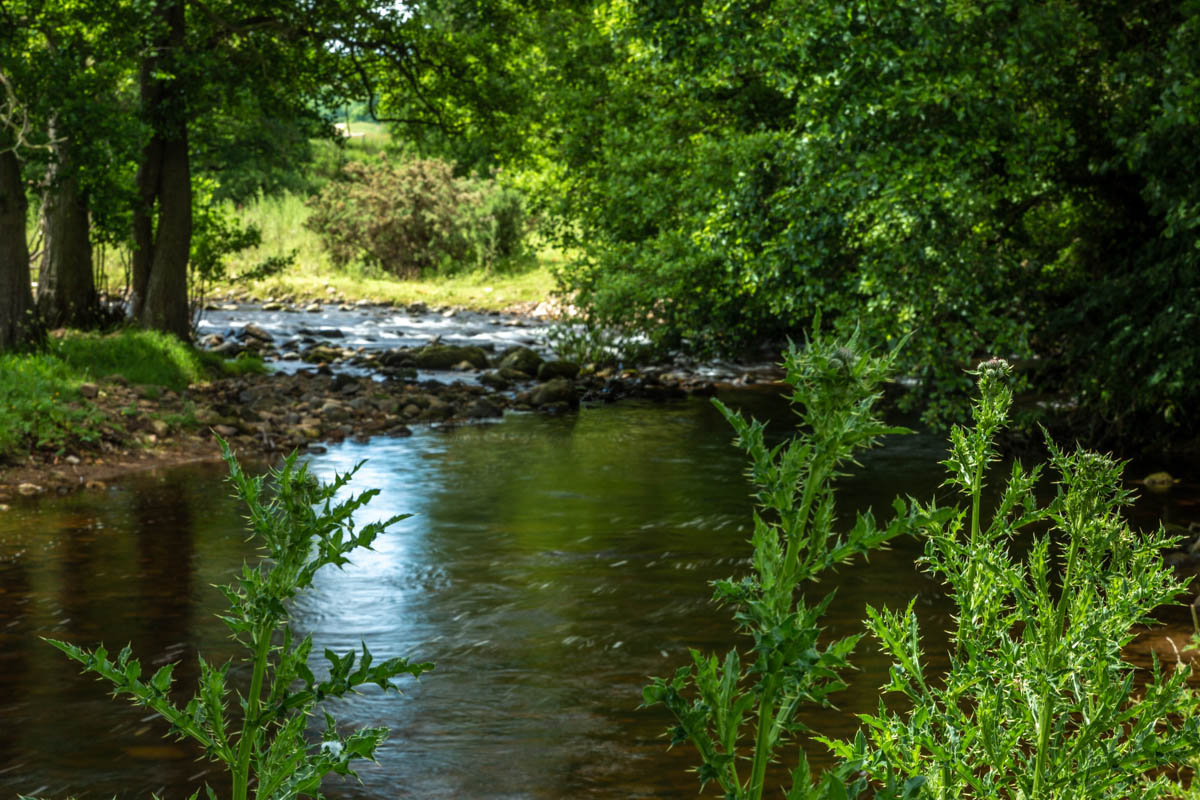
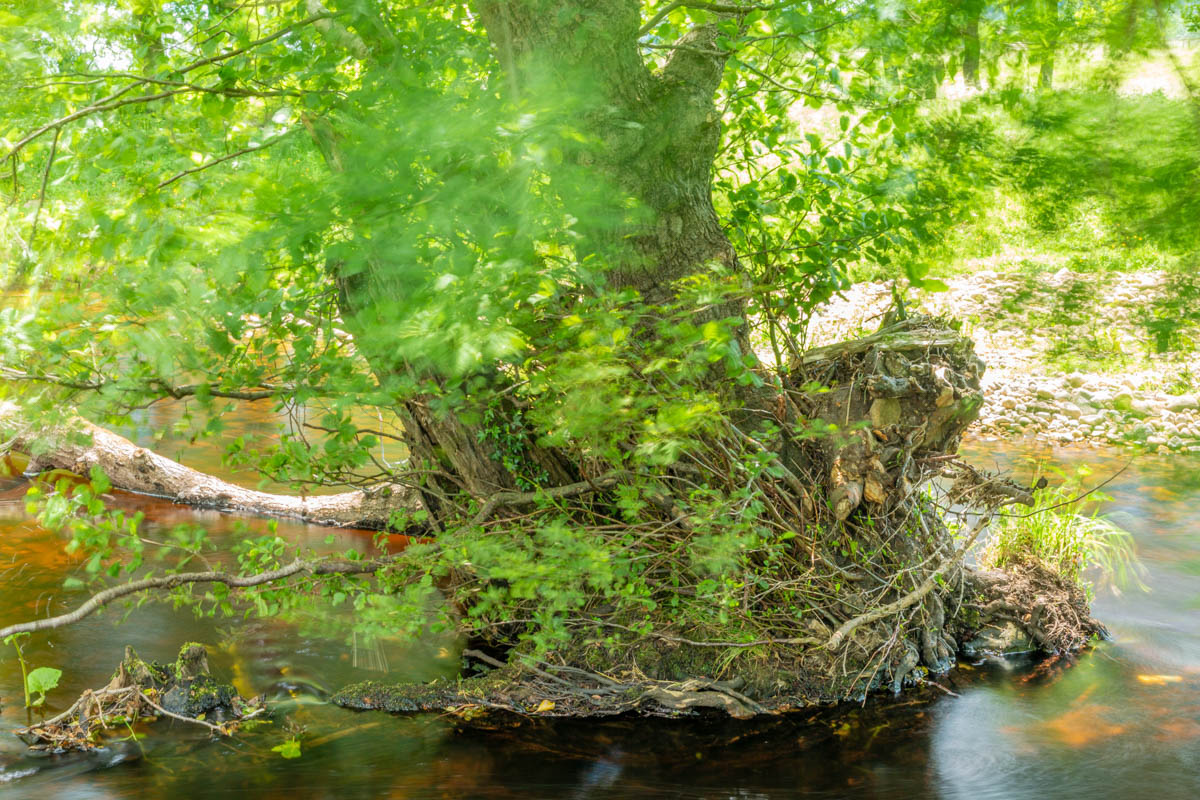
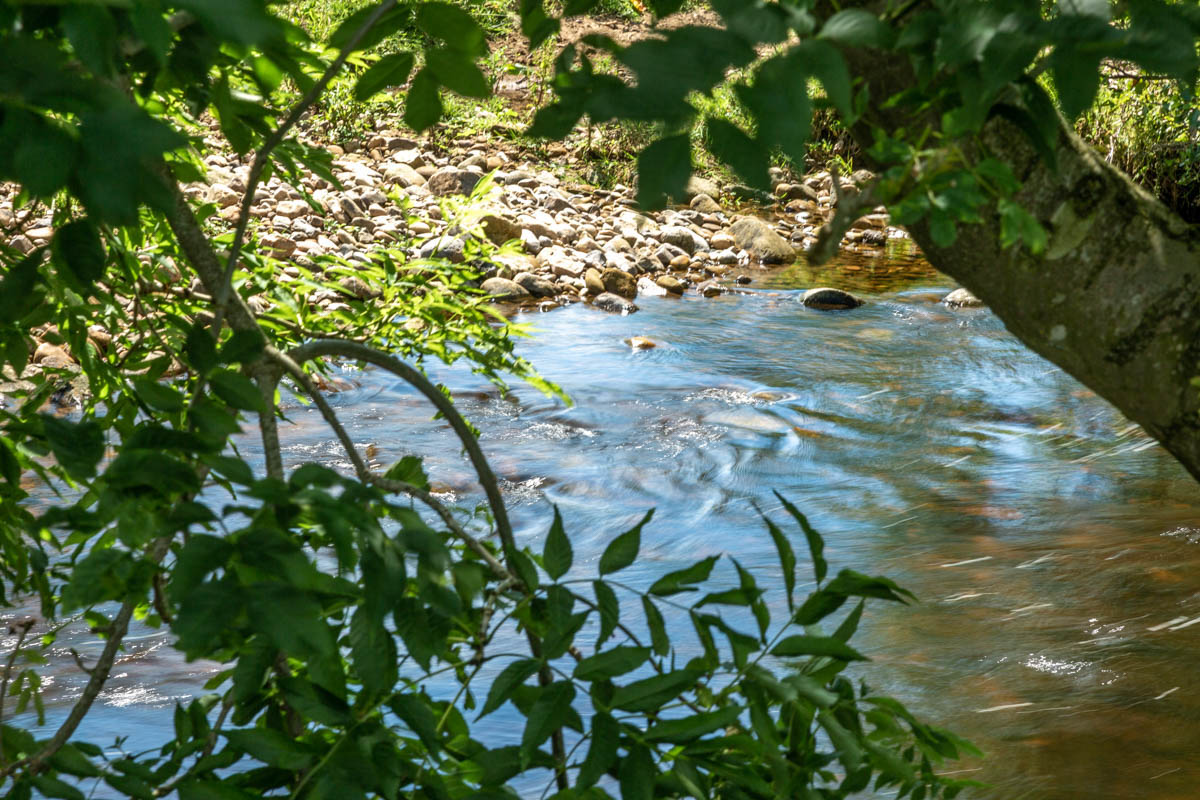
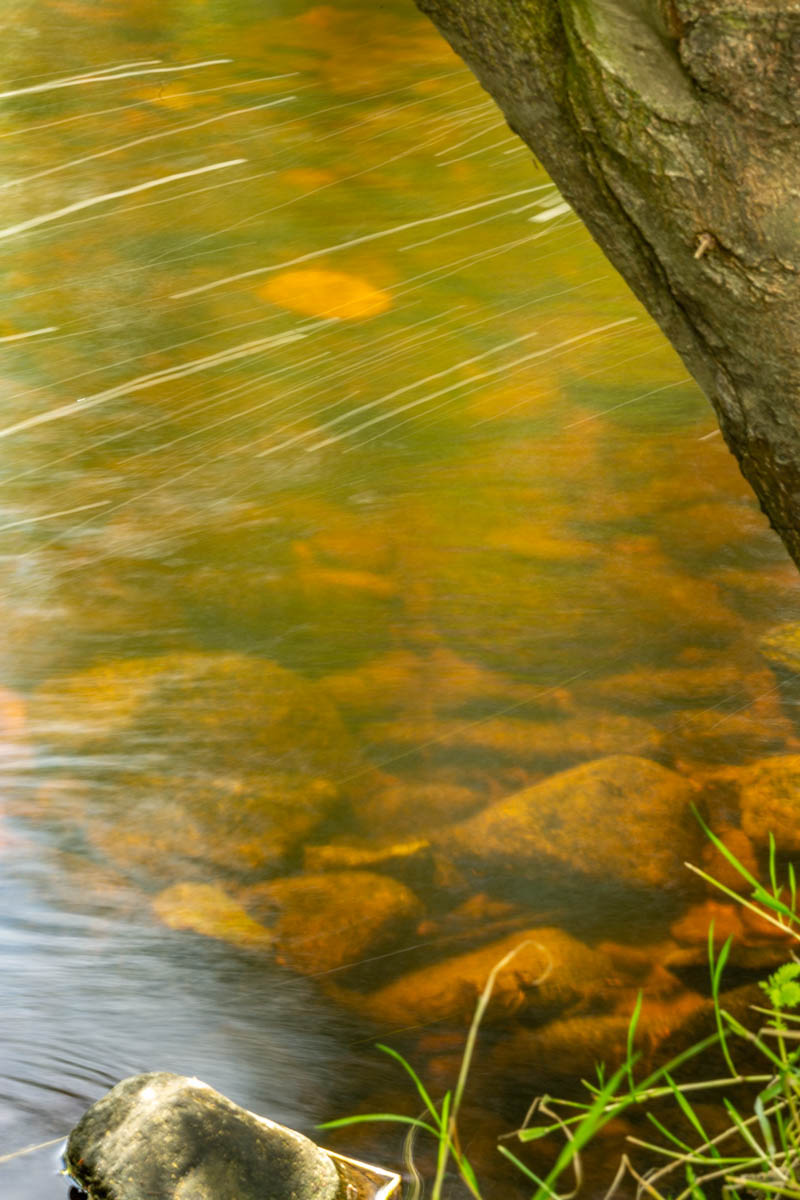
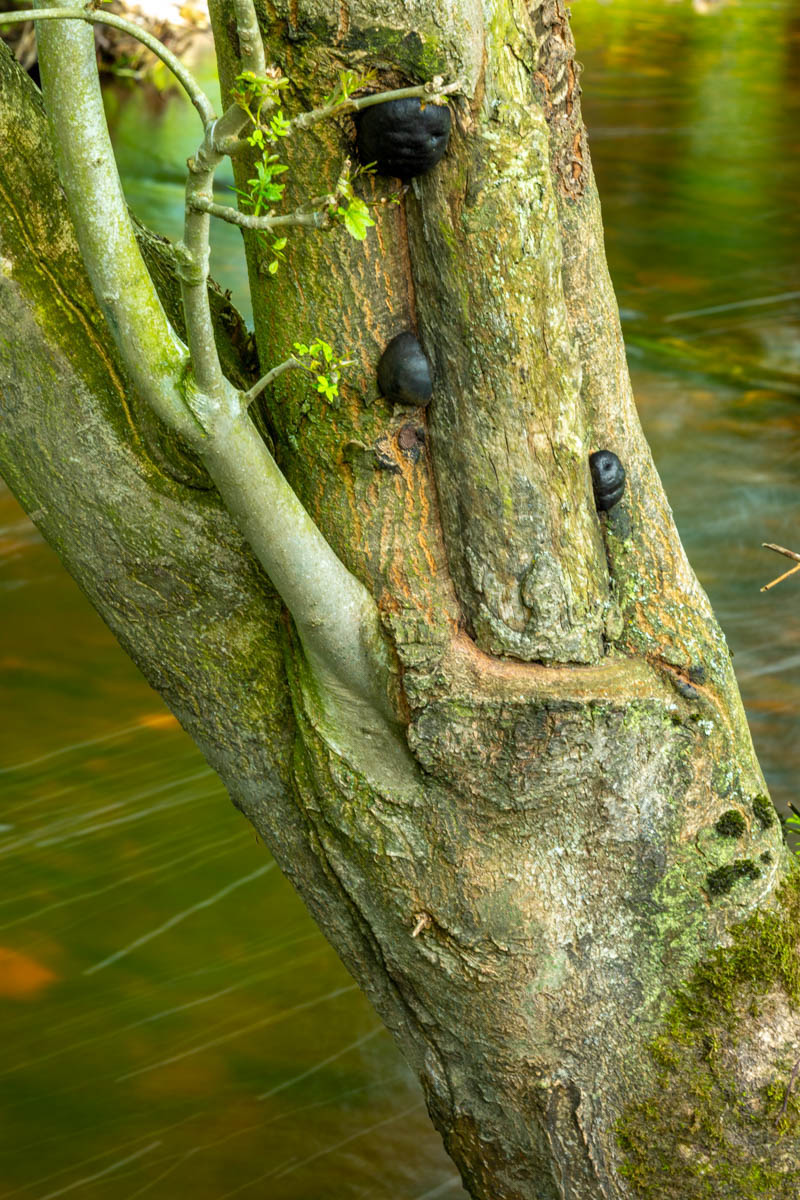
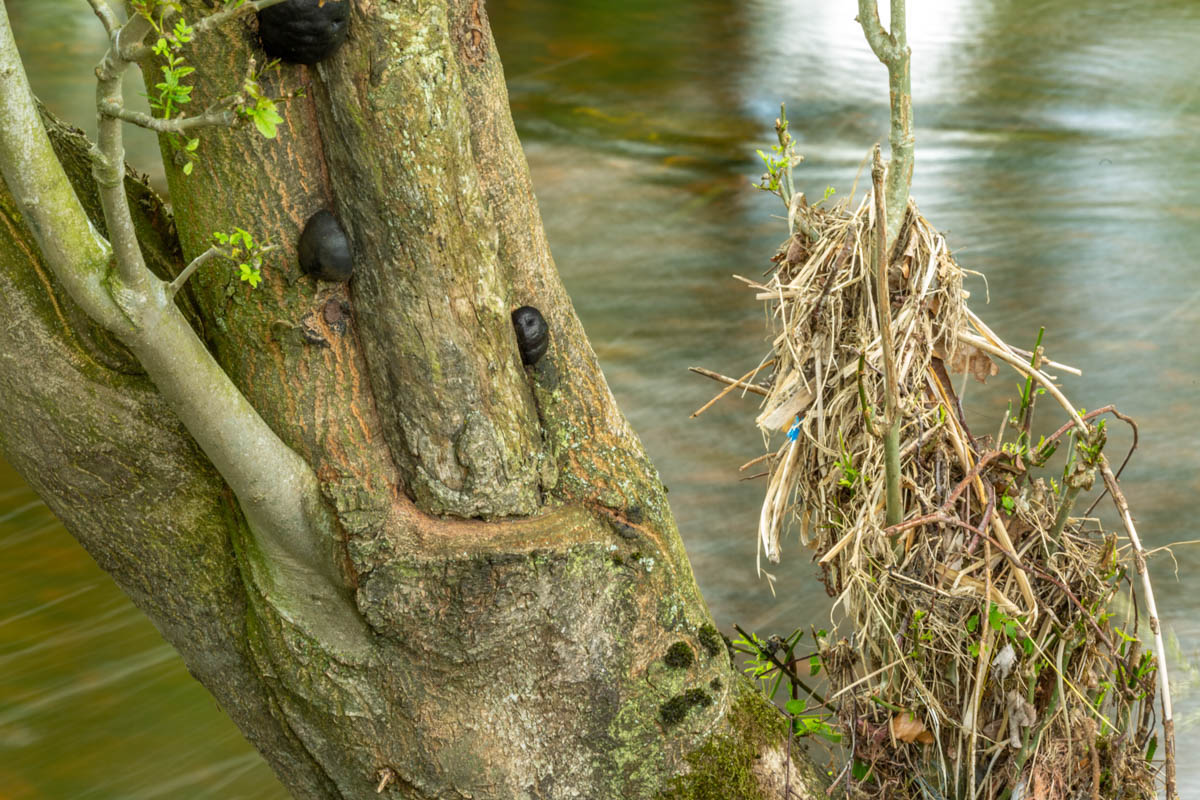
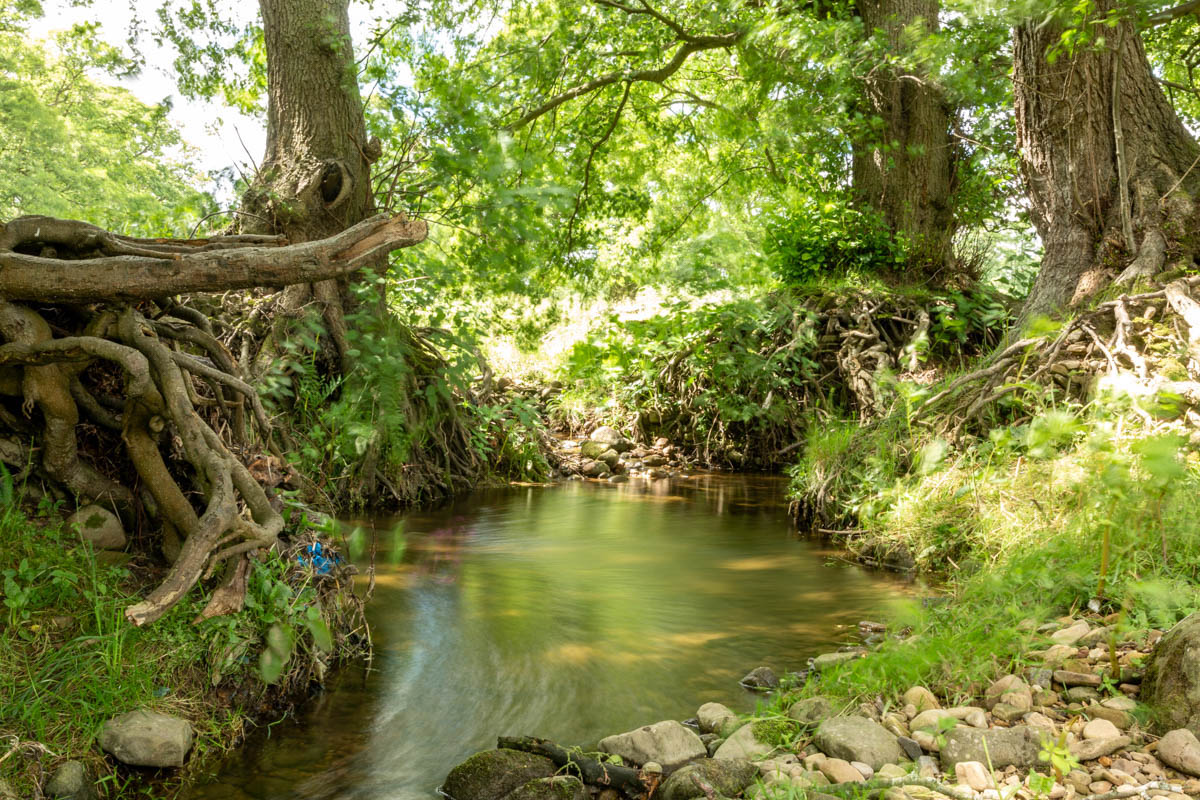
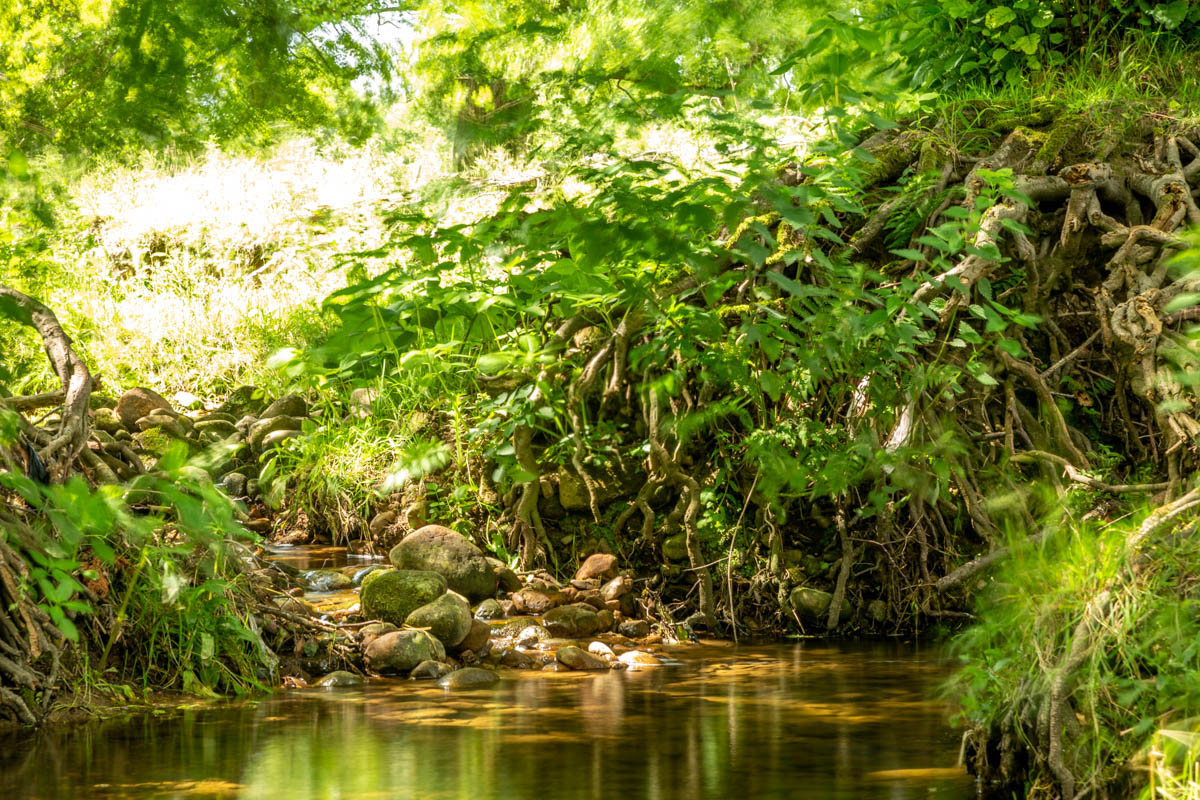
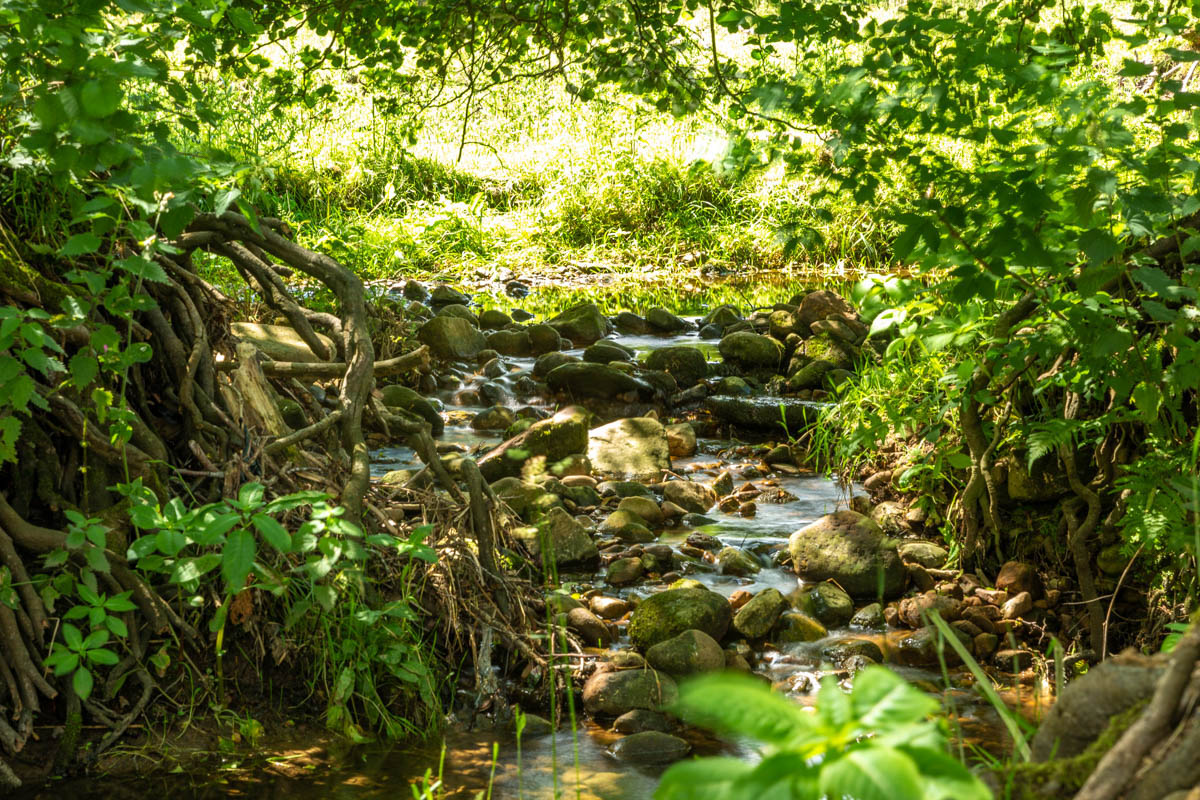
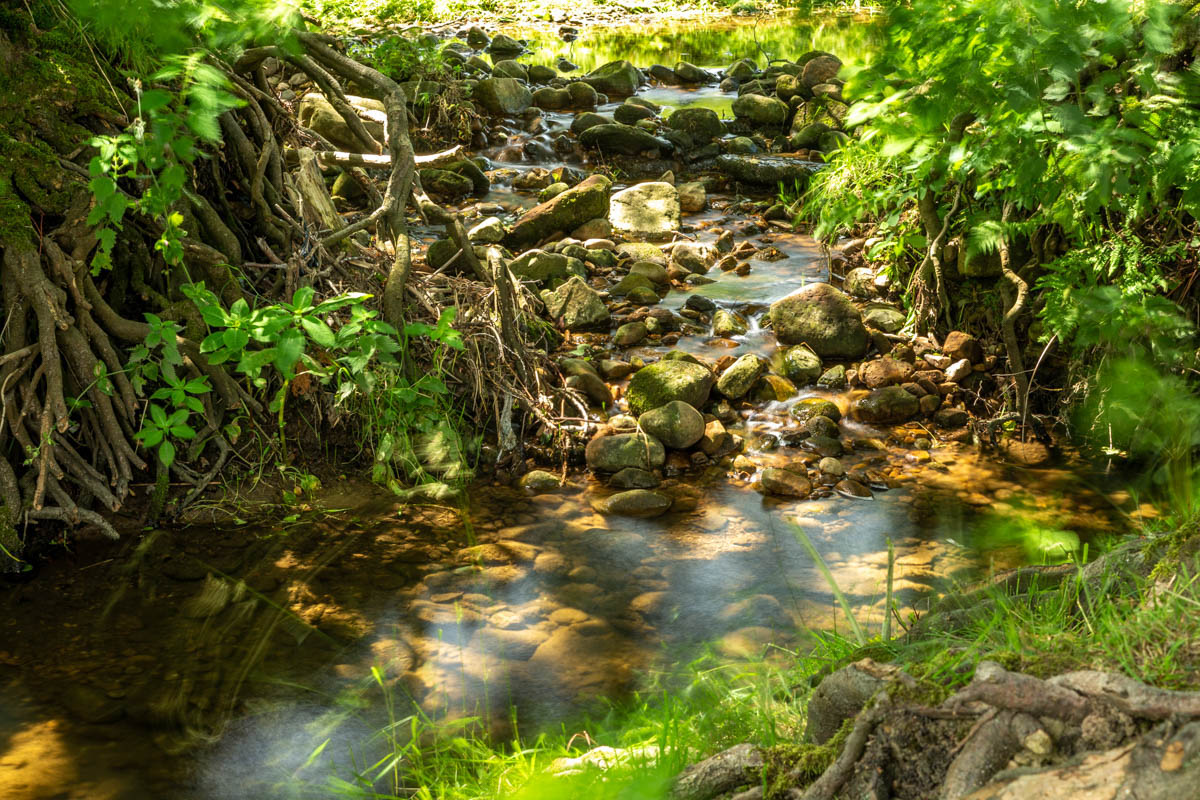
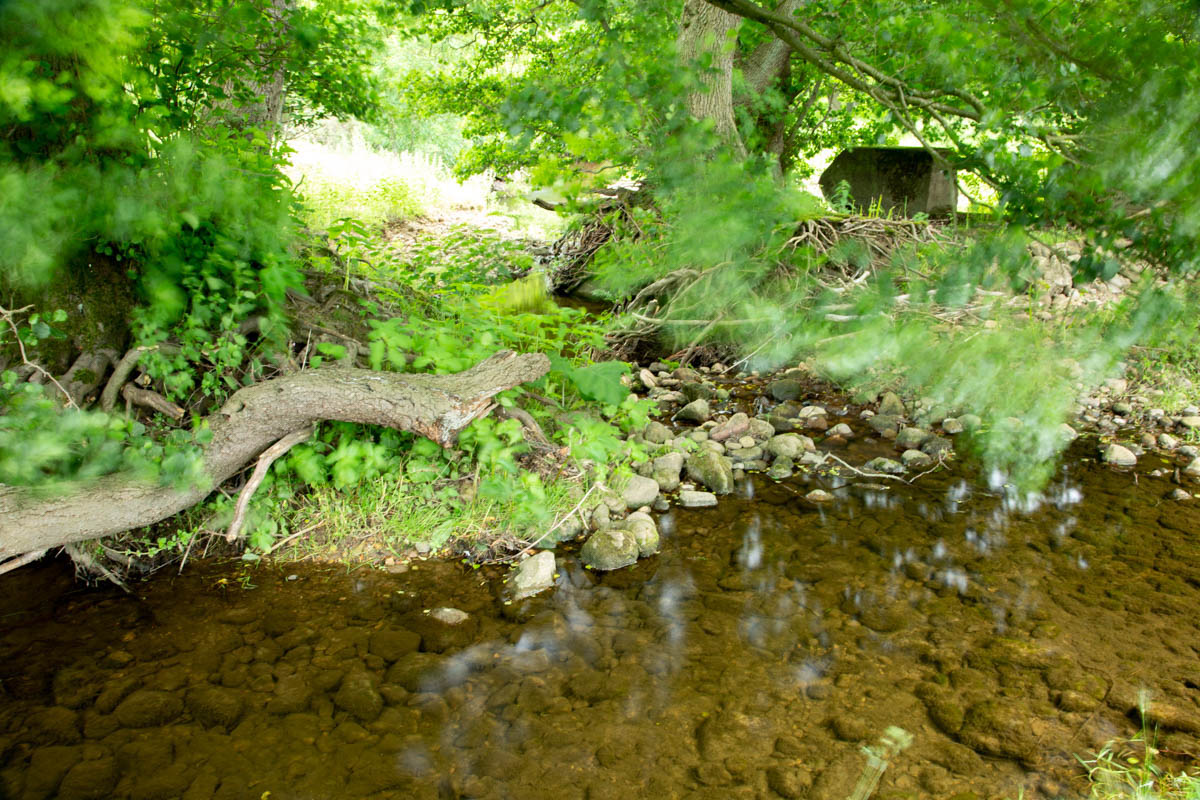
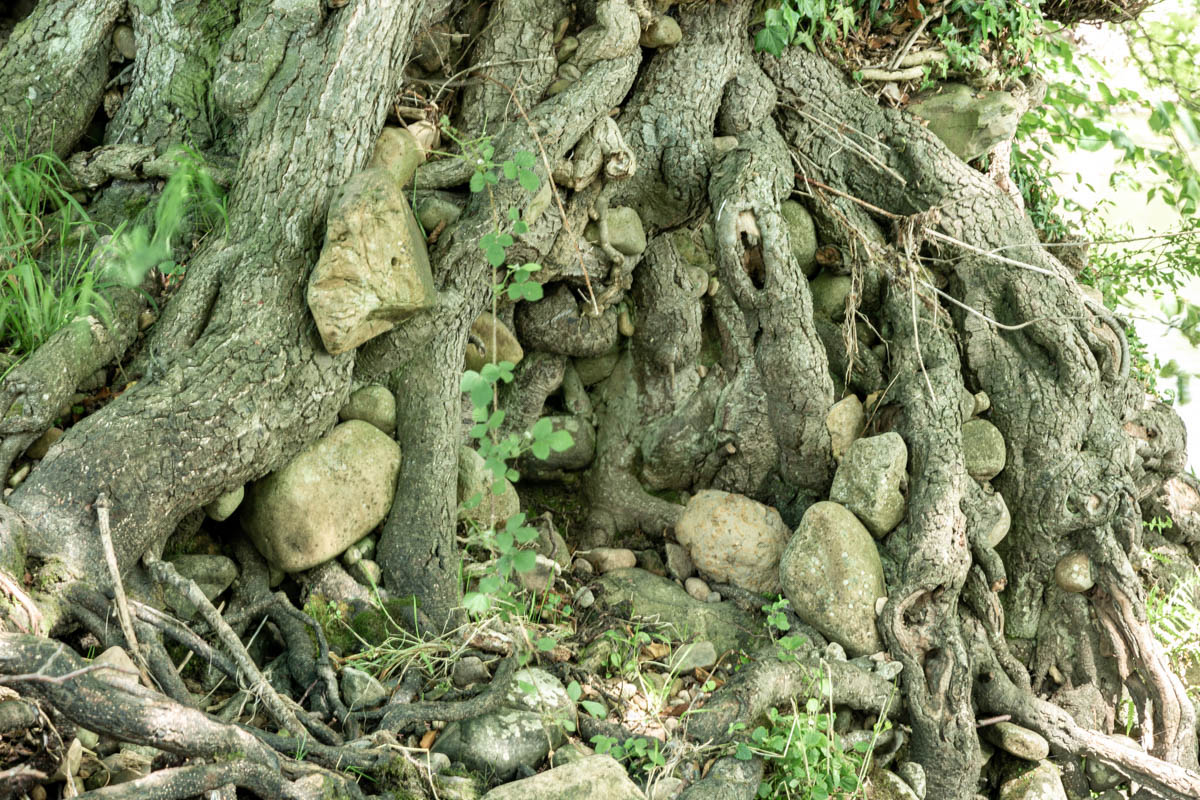
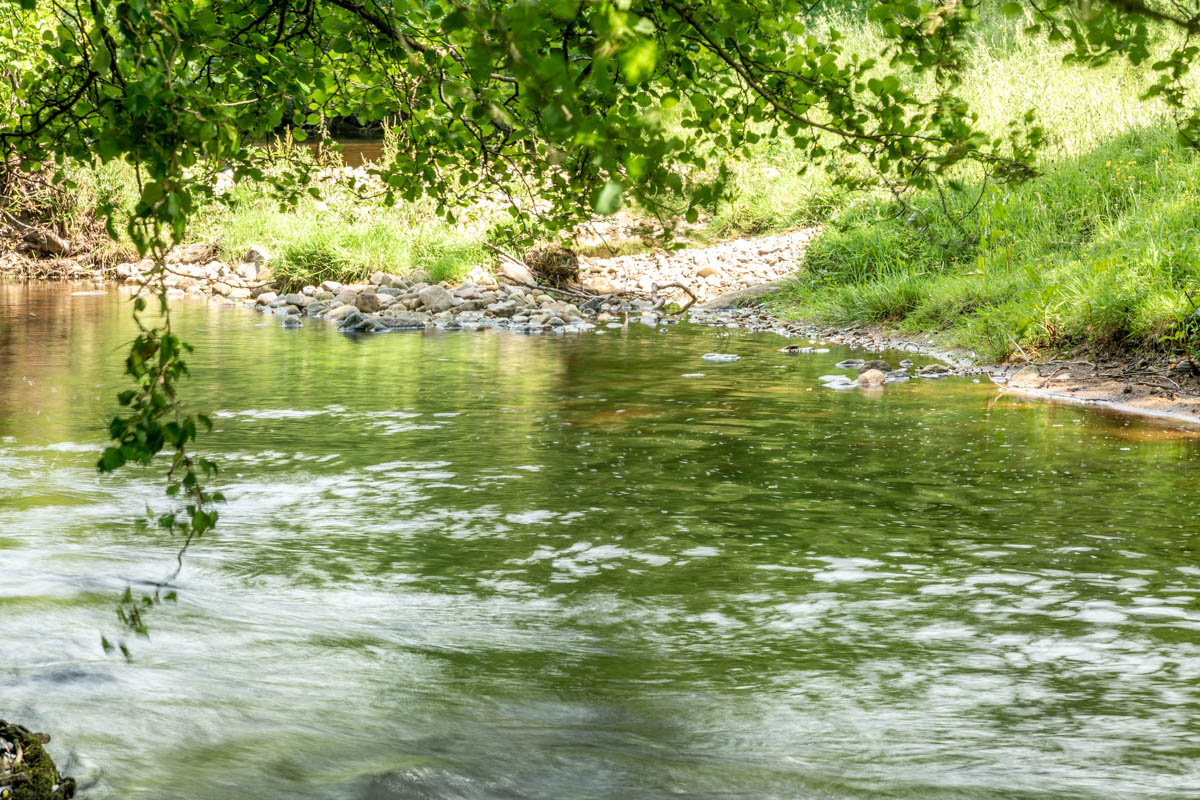
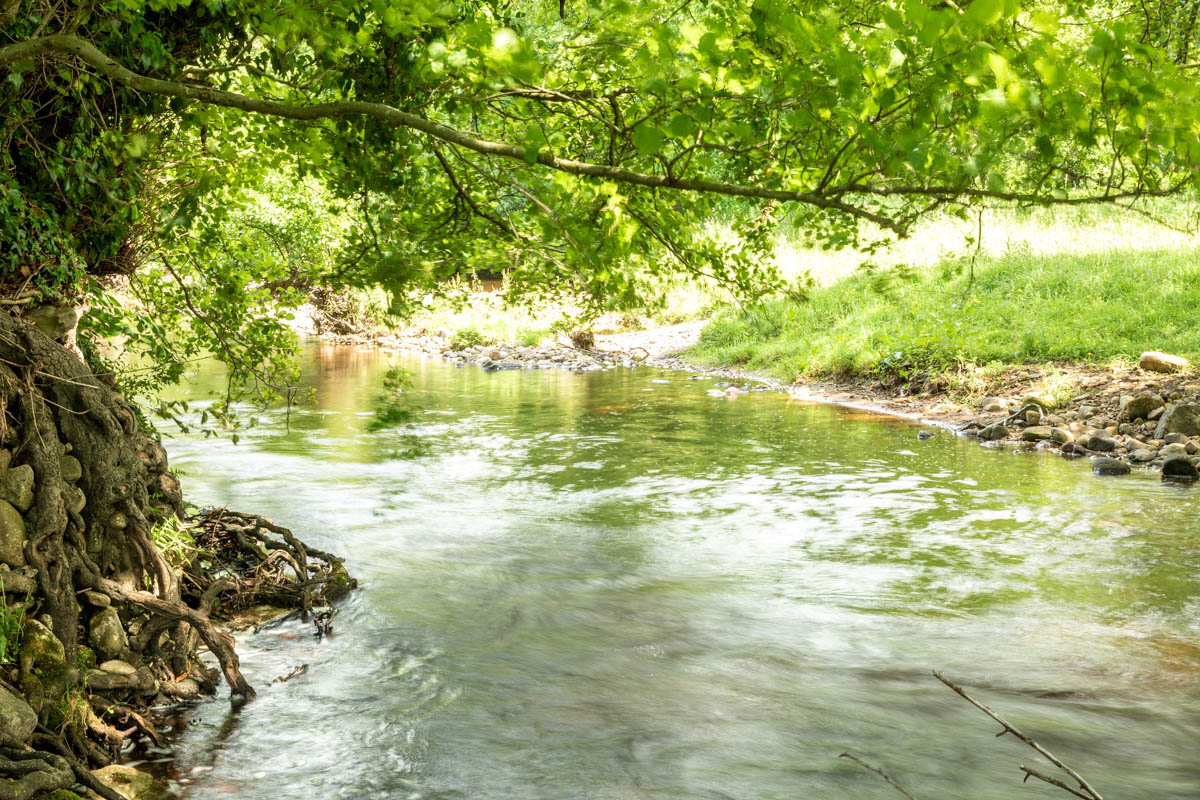
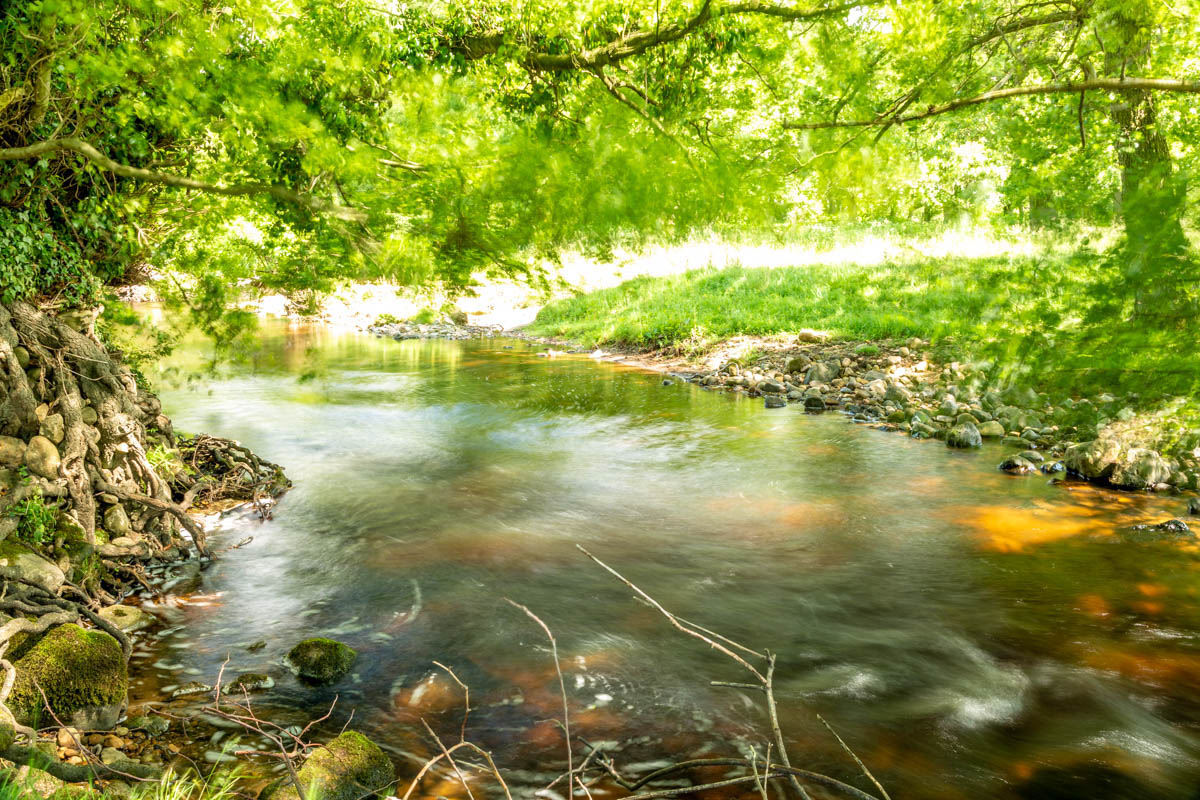
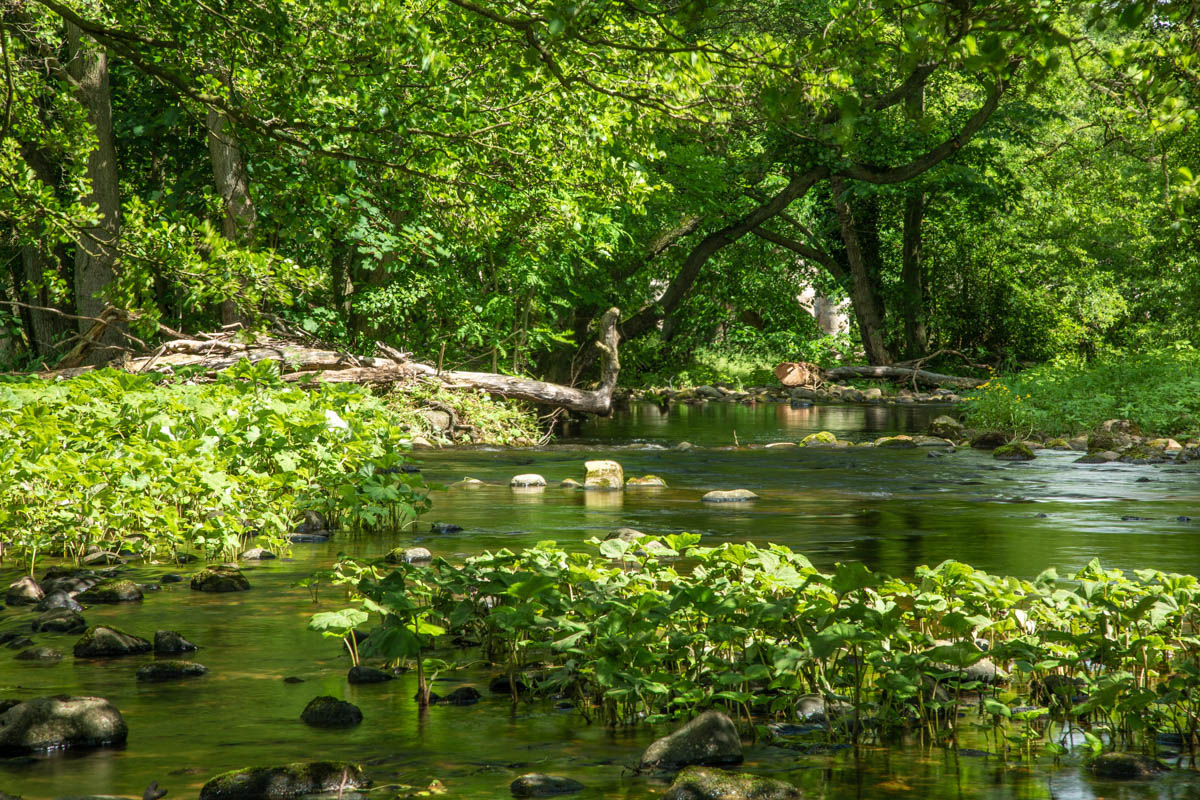
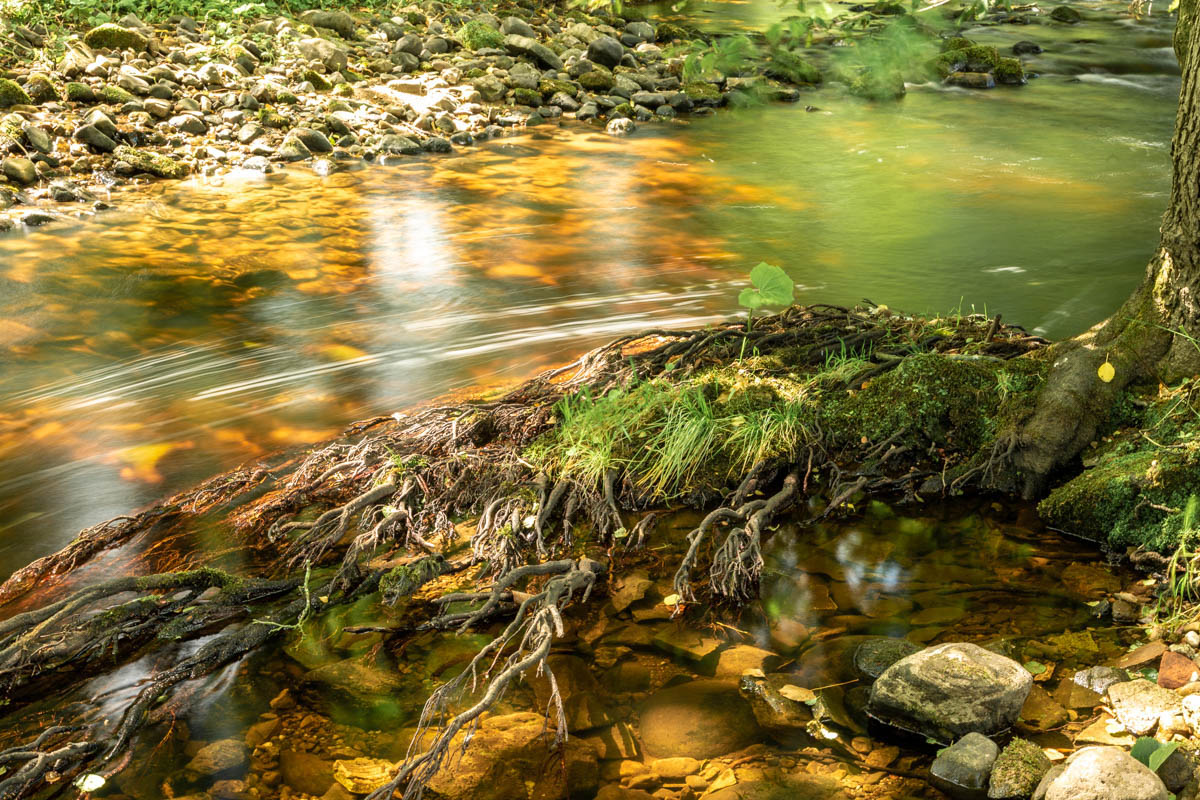
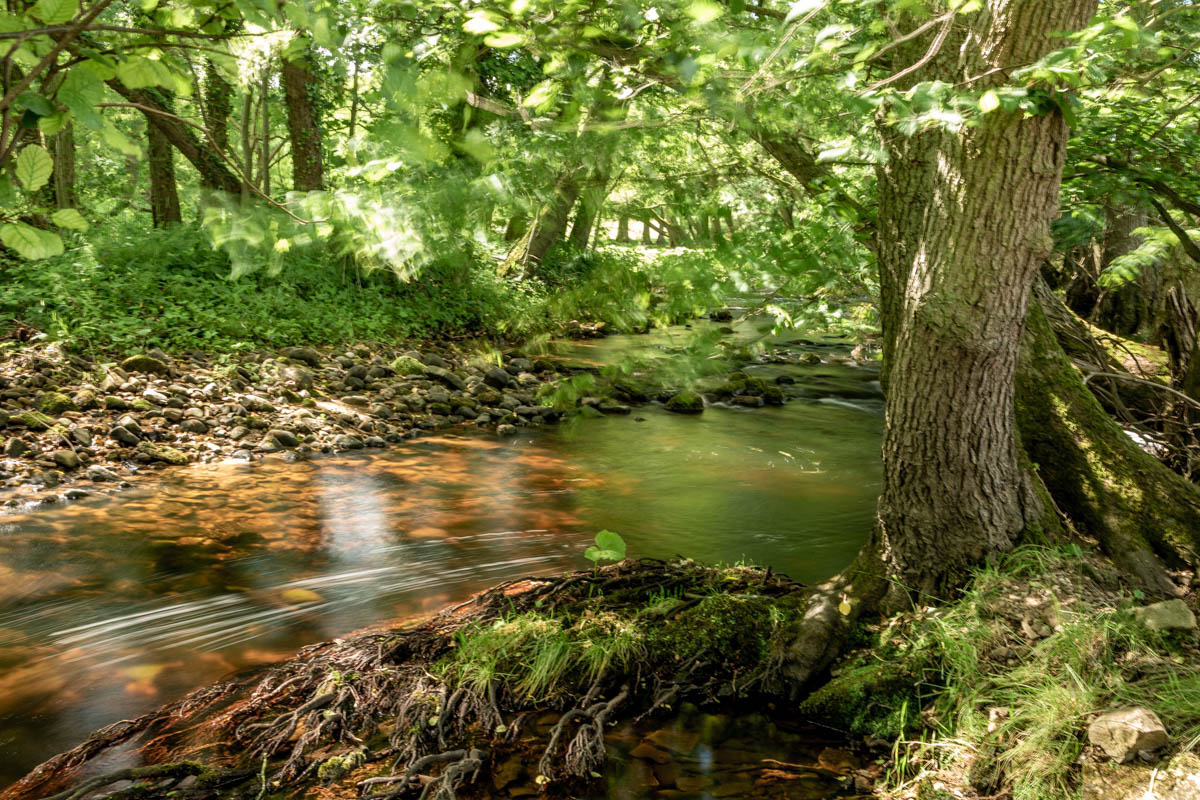
The next session out with the camera followed the River Burn. The Burn is a tributary of the Ure, but not part of the clubs water. Further experimentation in trying to flatten the background to pop the foreground in the image, was attempted. However, the image of the river bed with a foam line running through it seemed to show a 3d plane in the 2d image of the 3d plane. The distracting white stone showing the depth of the river in an interesting way. This through further investigation may prove fruitful. It was a hot still day, with a gentle occasional breeze. The weather encouraged some experimentation in trying to capture the wind. How could I do this, sitting in the still hot sun, the first thing to the senses is the sound of wind through the leaves getting closer and then felt as it passes, like the wash of an articulated lorry or a train going by. The sound of the clapping leaves rising and falling through the wave of air. By, using this I could tell when the breeze would just start to touch the leaves around me and I started trying to capture the wind moving the leaves but not the branches in order to capture a summer breeze over a stream. This would then in a similar way to peer attempts in capturing the wind. I could then see where I could deviate in my pursuit of capturing invisibility in a photographic image. However, this walkabout when first edited started two years of pondering over the colour of leaves, and lots of angst over the technicalities of capturing something invisible. Despite the mental breakdown of my objectives through critical thinking, I was still no nearer to finding solutions, only some interesting photographic imagery.
About Masham
Masham – originally Maessa’s Ham – probably owed its foundation to the gentle, flood-proof rise on which it stands, near an easily fordable part of the River Ure, together with its proximity to the course of a Roman road and its position on the main route from Wensleydale to York.
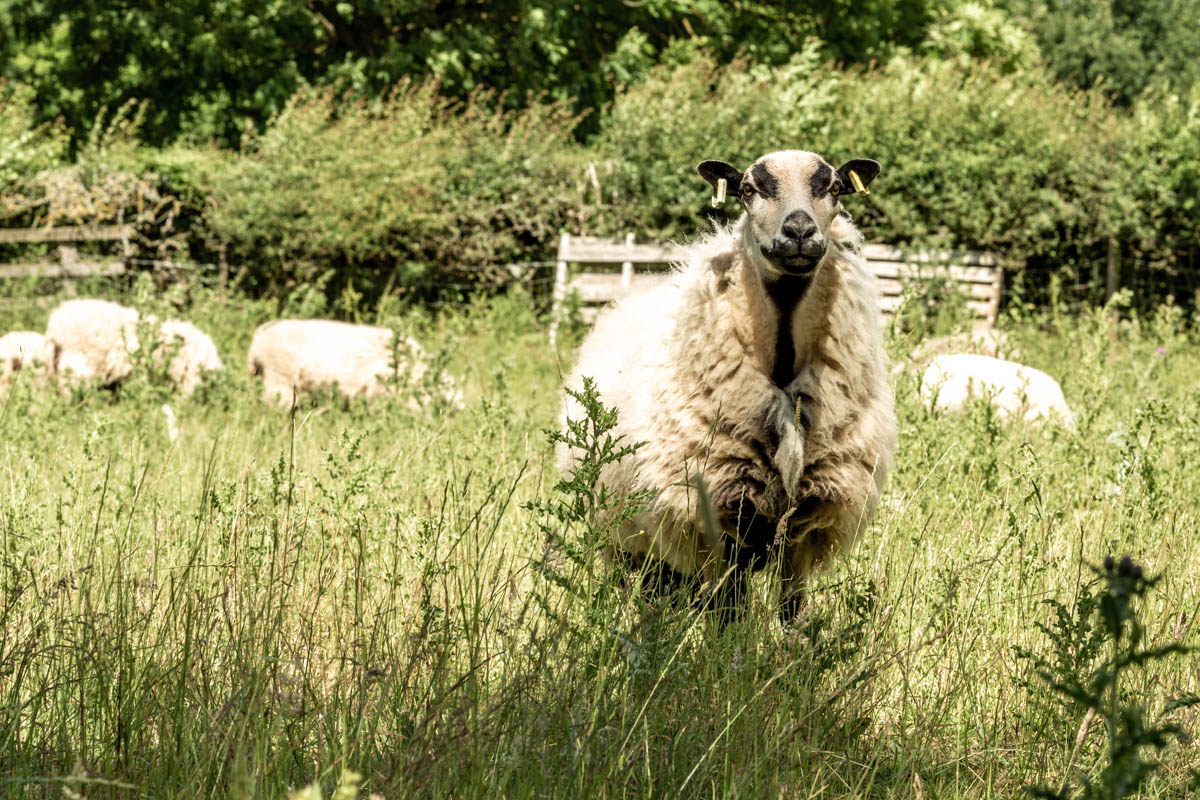
The present square with its beautiful Georgian houses was created in the 18th century. The huge market place would originally have been surrounded by thatched cottages and was the site for annual Sheep Fairs with over 80,000 heads of sheep being sold some years, including animals from the flocks of nearby Fountains and Jervaulx Abbeys.