Fishing The Ure At Masham
2020-02-09 Masham Night 05
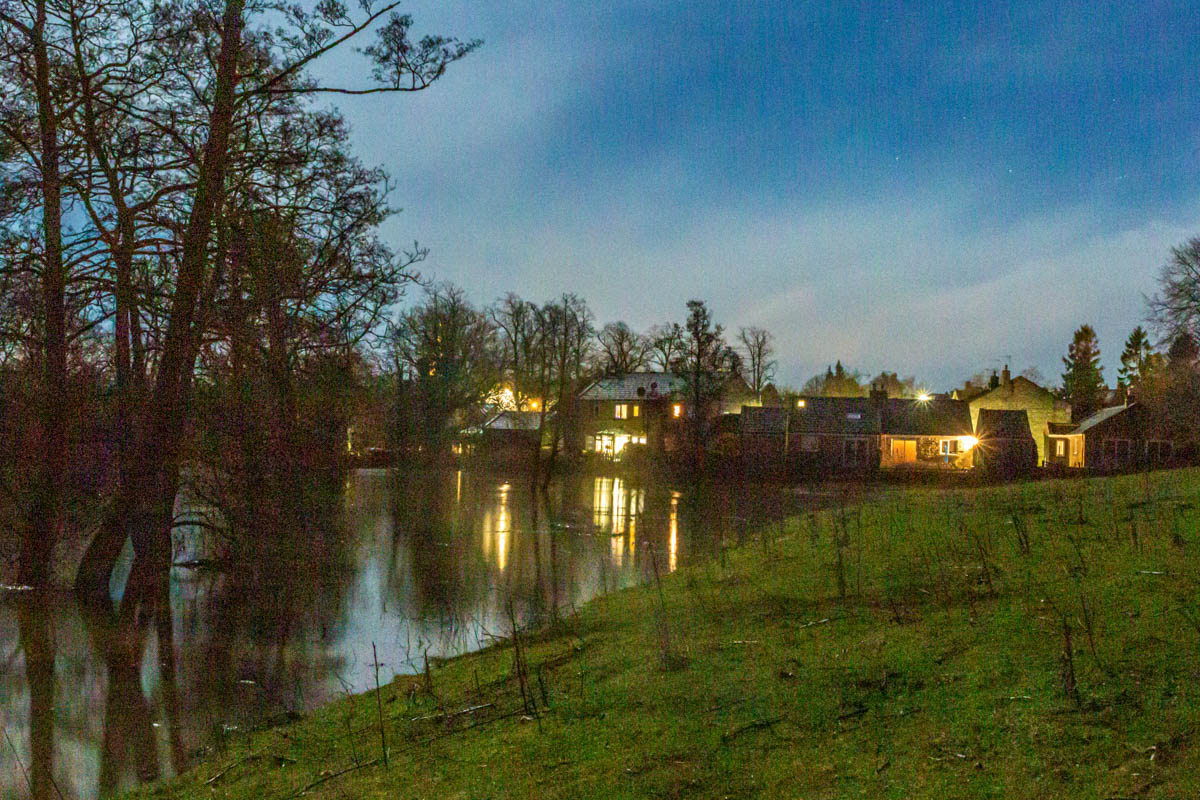
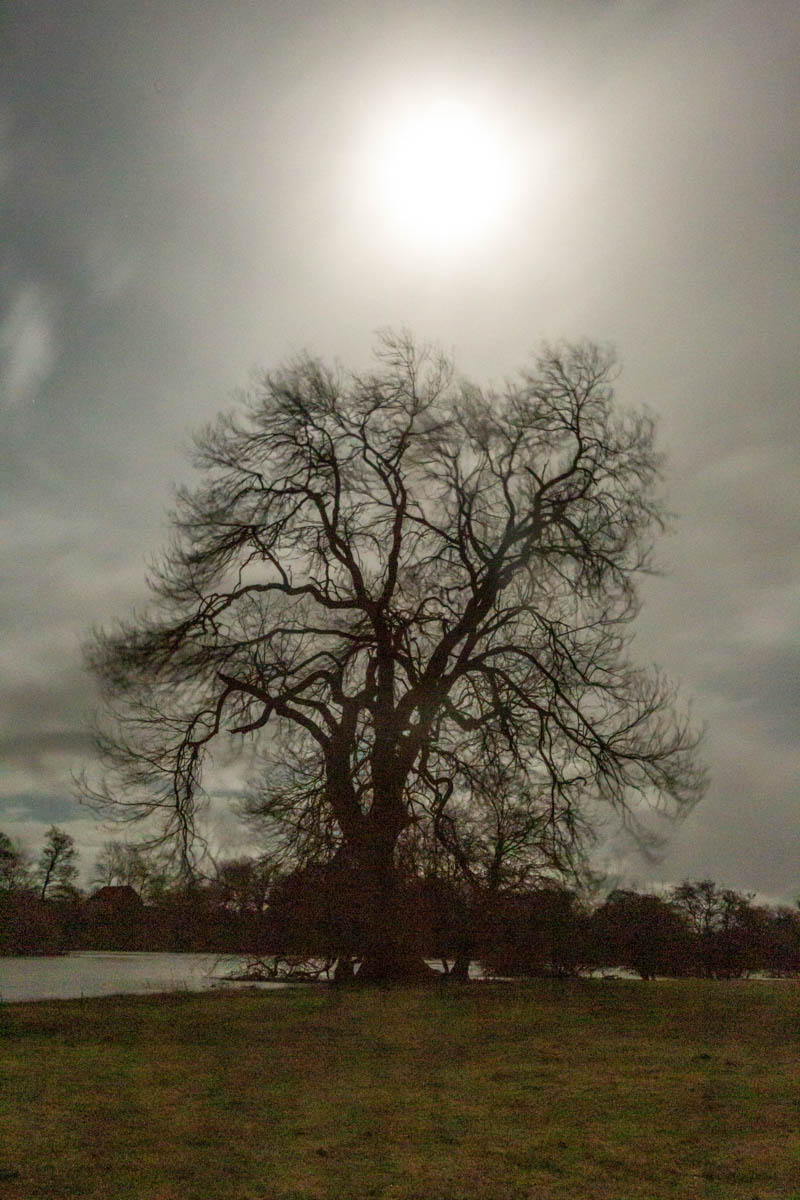
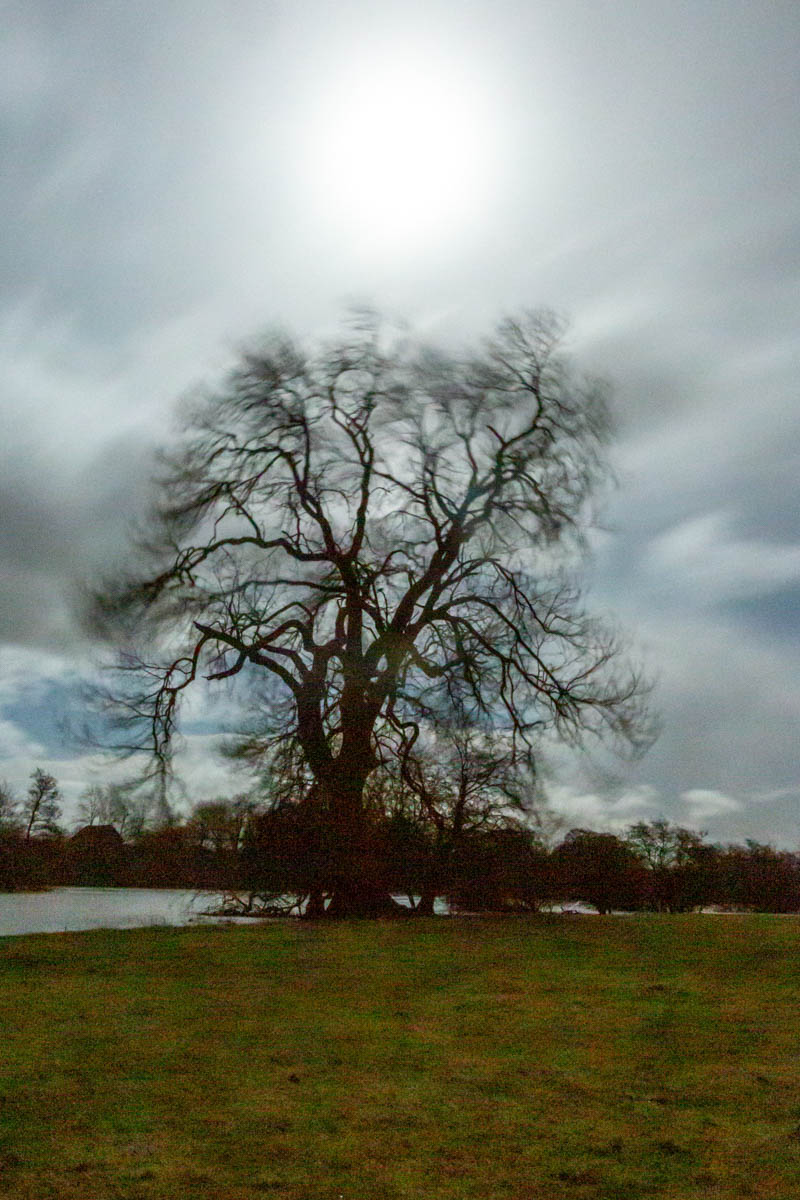
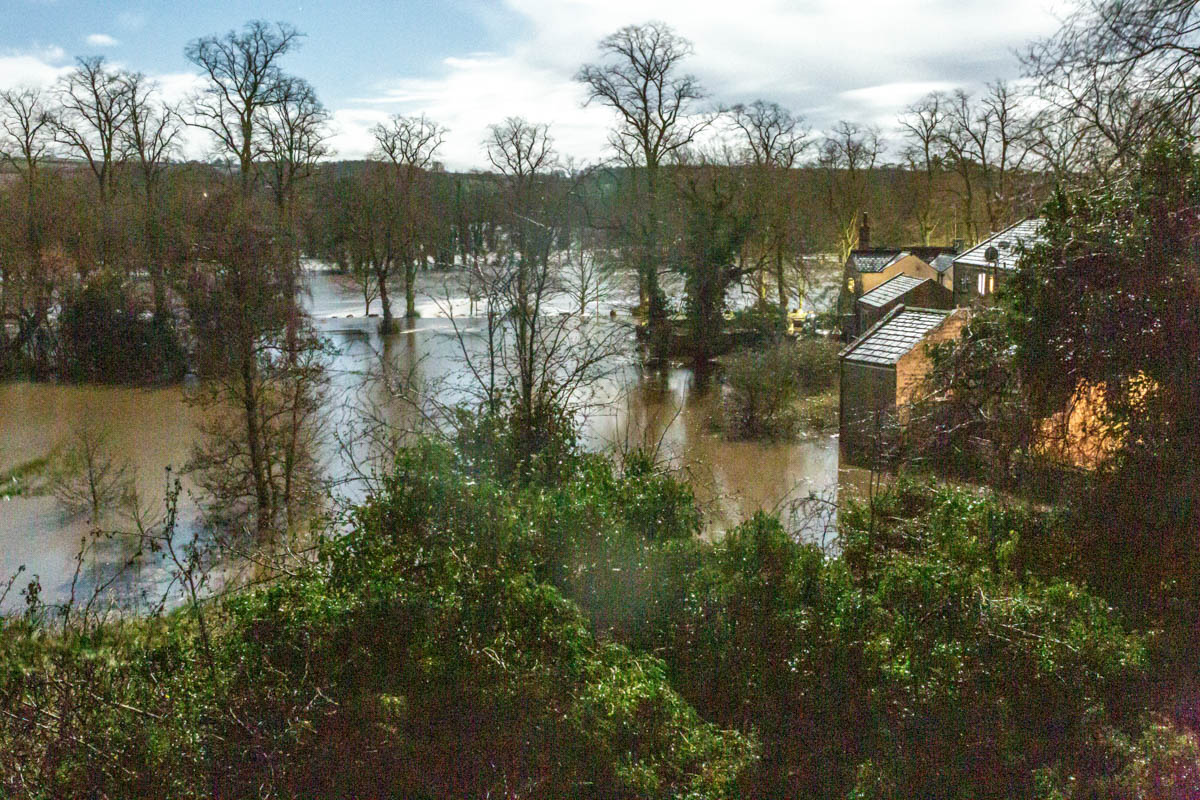
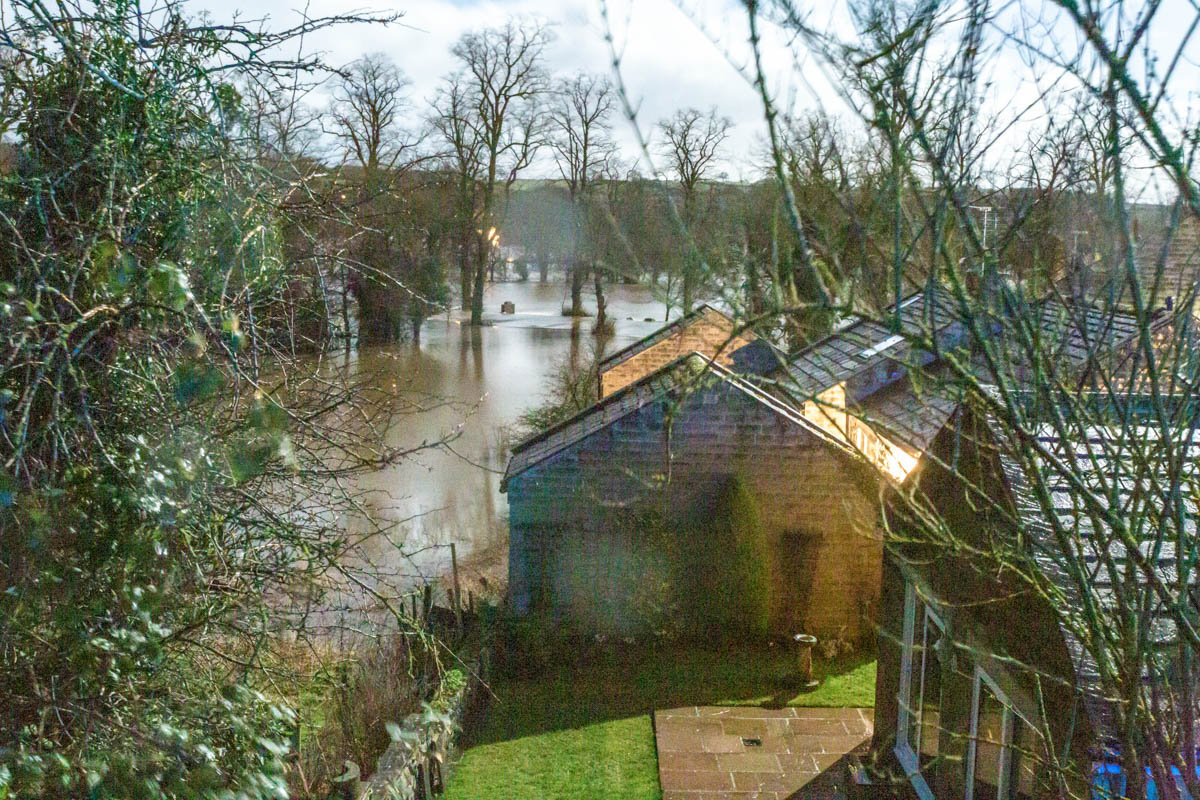
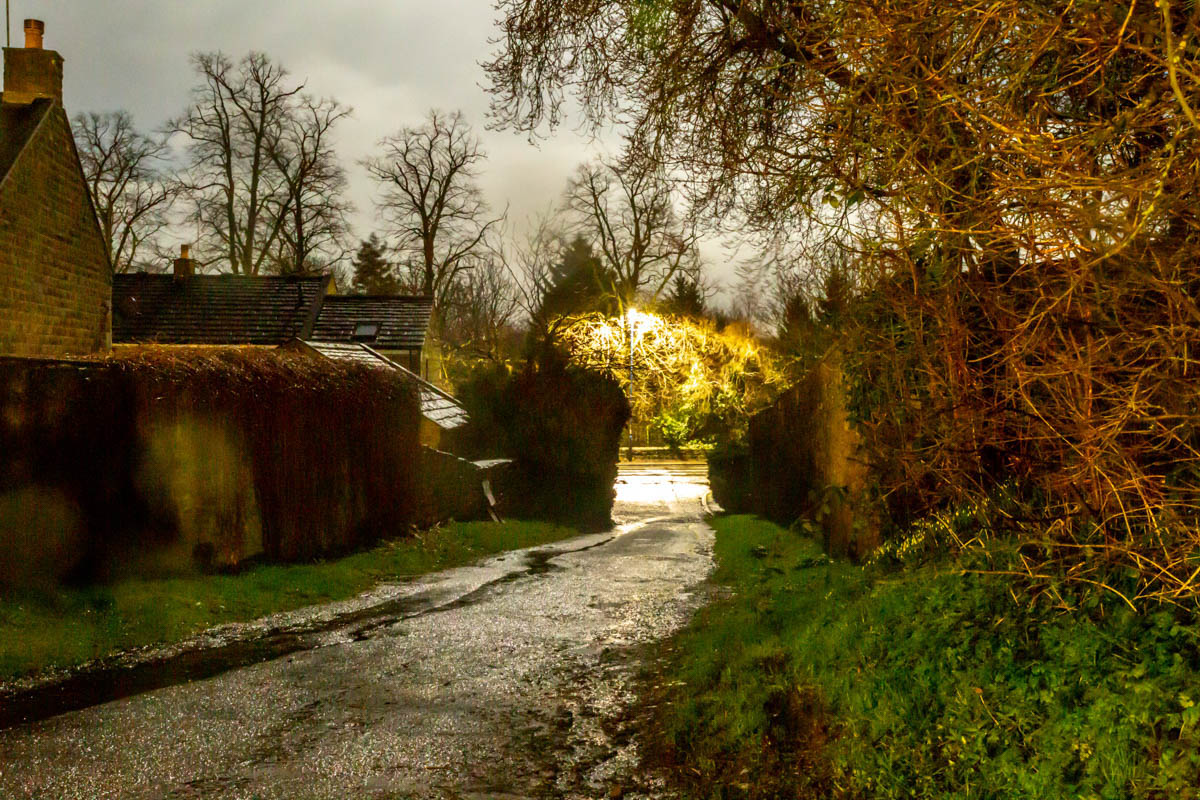
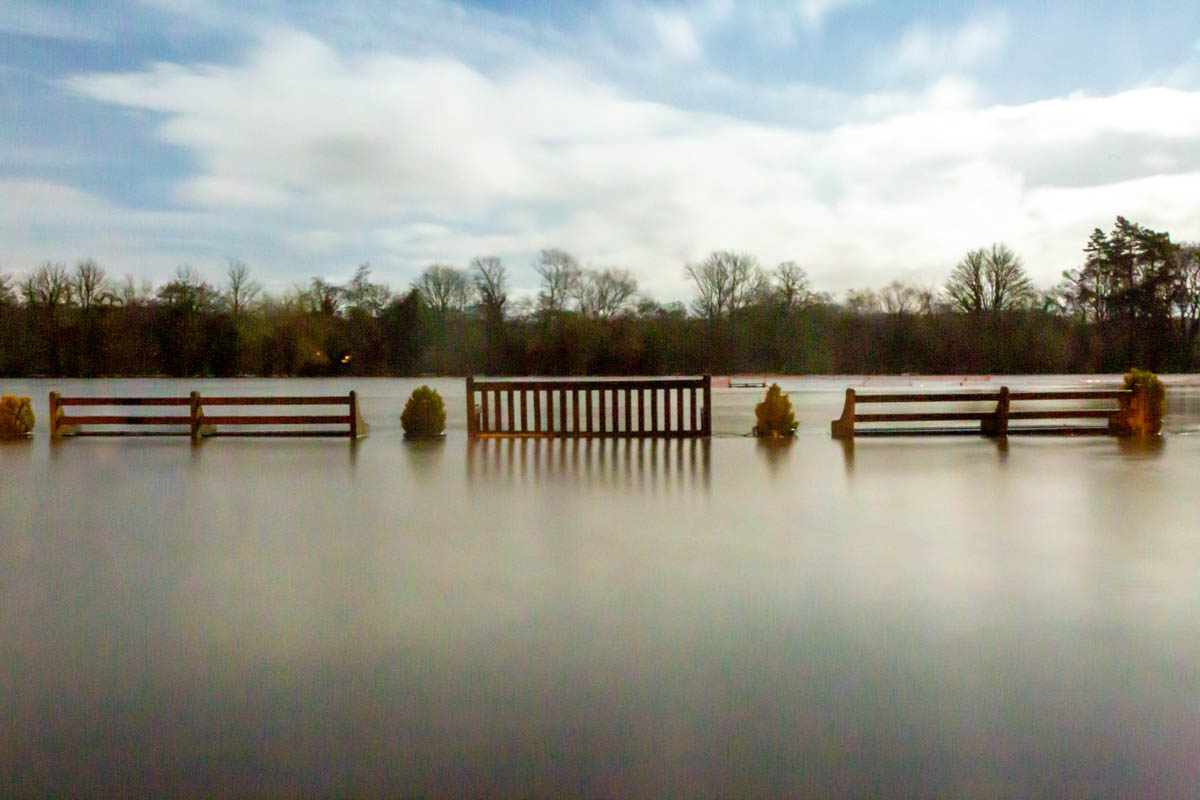
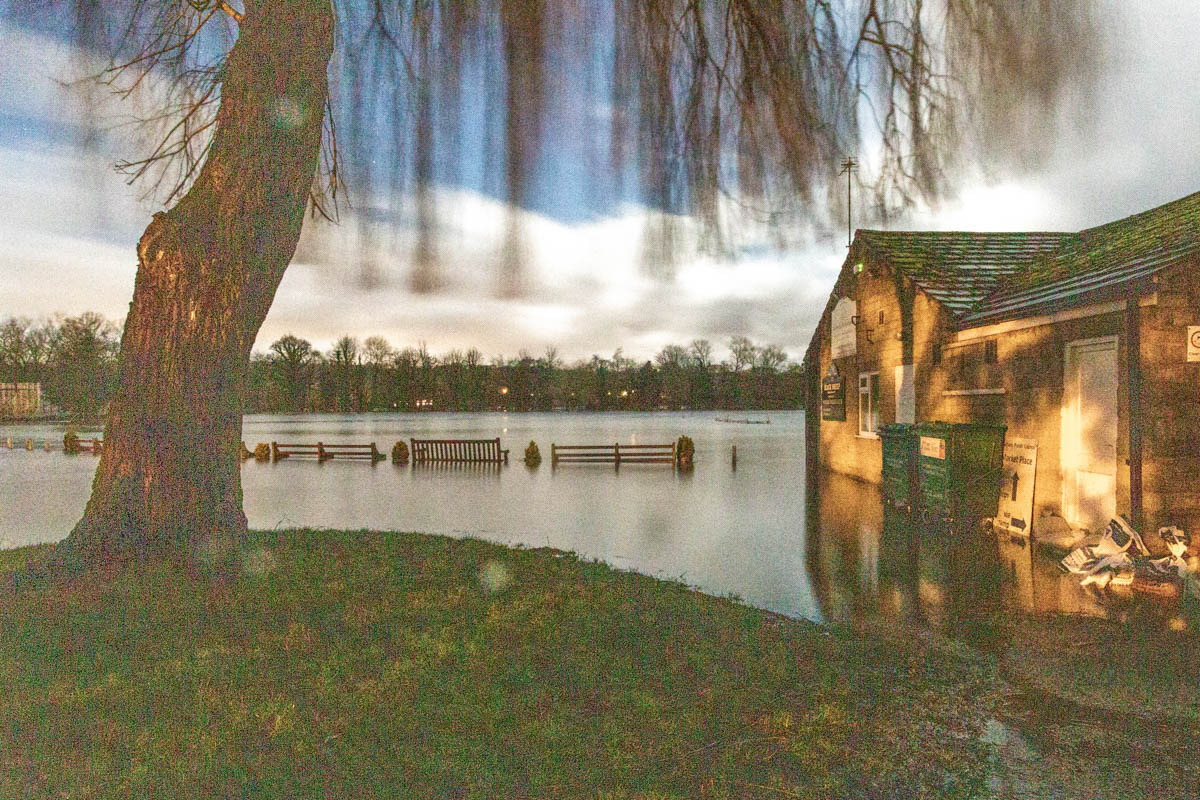
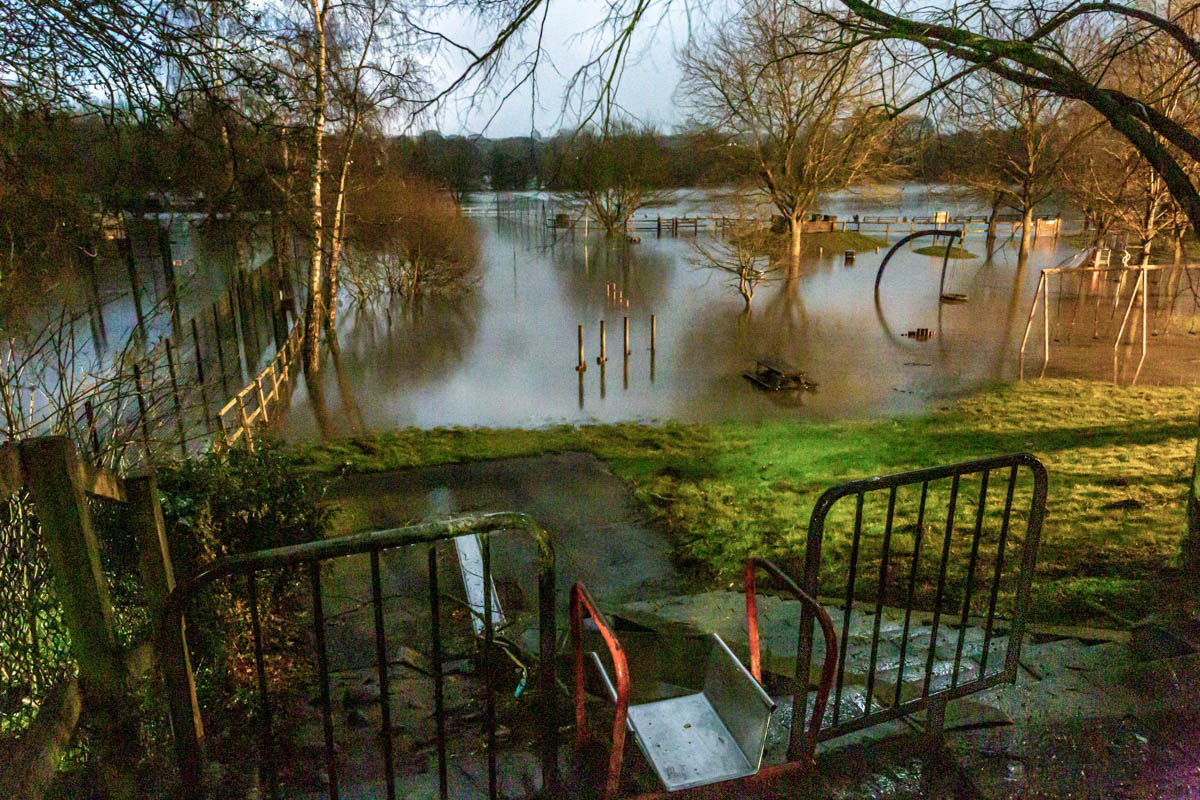
It feels like the river has been quite unfishable for months and the photo opportunities are starting to run out. How many images do you need for a project? How many days carrying a camera around for the hope of better imagery to further one’s progress in an imaginary quest. I could fill terabytes of hard drive space documenting the length of the club`s stretch of water. Photographing each tree in various poses throughout the year. I could do a topological survey of the stretches water surface and spend weeks in the fields trying to capture the wind. Would it make the project any better spending endless hours editing images that will never be used for anything? The river is in flood again and time off does not correspond with any low levels that are fishable. A number of the clubs members told me never to wade in the river if it is more than a foot up on the bridge measure or over the top of the pipe at the carpark. This is because it would be too dangerous to wade and there are not that many spots to drop into to safely fish from the bank on the rising river. I found this out through trial and error, without being swept away or falling into one of the infamous bottomless pits in the river bed, but what stopped this was being fishless and realising I would need chest waders to get to the spots, and I had deliberately only brought thigh waders to save my life from stupidity in the reckless pursuit of my quarry. So with camera in hand I managed to capture a tree about to cartwheel under the moon getting away from the rising waters.
About Masham
Masham – originally Maessa’s Ham – probably owed its foundation to the gentle, flood-proof rise on which it stands, near an easily fordable part of the River Ure, together with its proximity to the course of a Roman road and its position on the main route from Wensleydale to York.
The present square with its beautiful Georgian houses was created in the 18th century. The huge market place would originally have been surrounded by thatched cottages and was the site for annual Sheep Fairs with over 80,000 heads of sheep being sold some years, including animals from the flocks of nearby Fountains and Jervaulx Abbeys.