Fishing The Ure At Masham
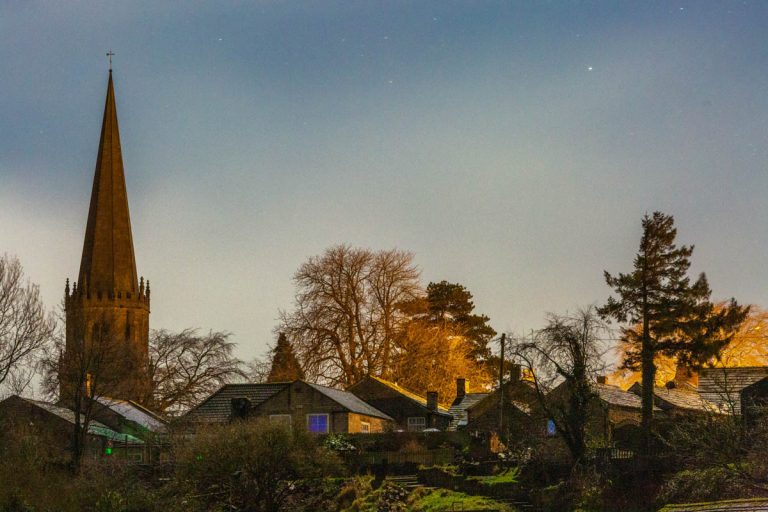
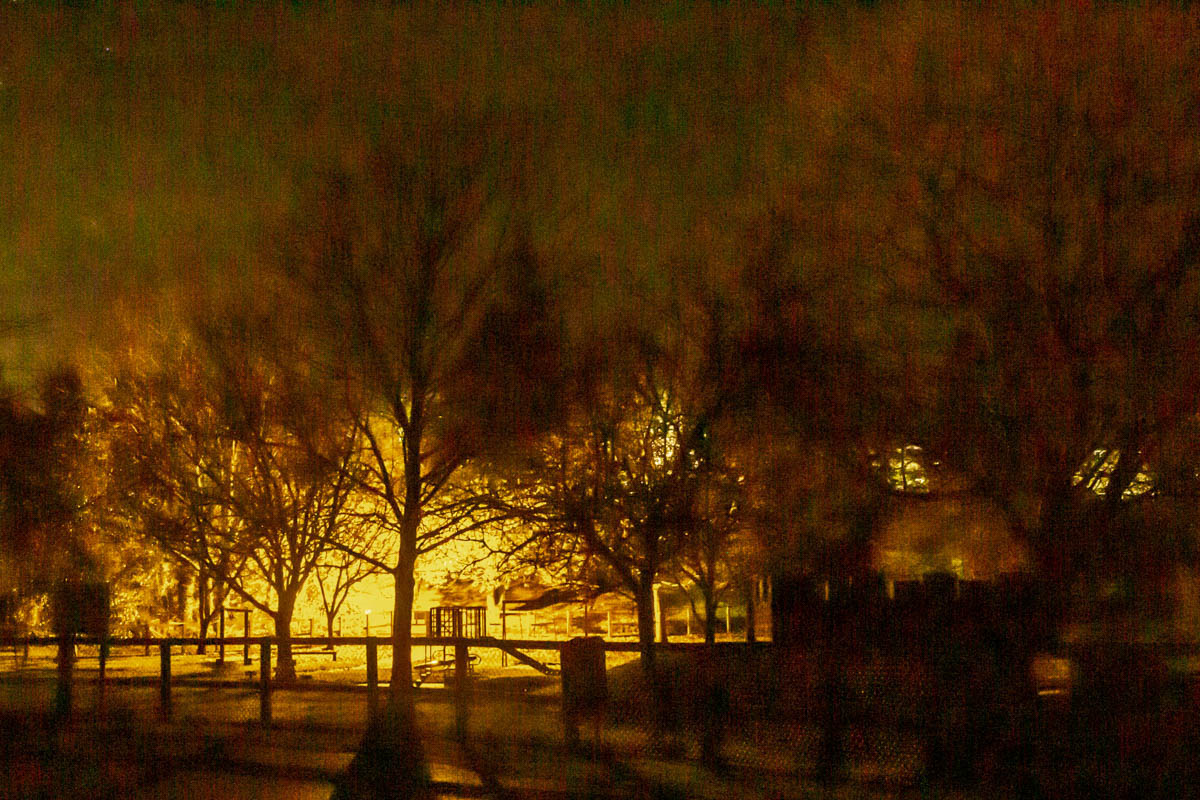
2020-01-20 Masham Night 04
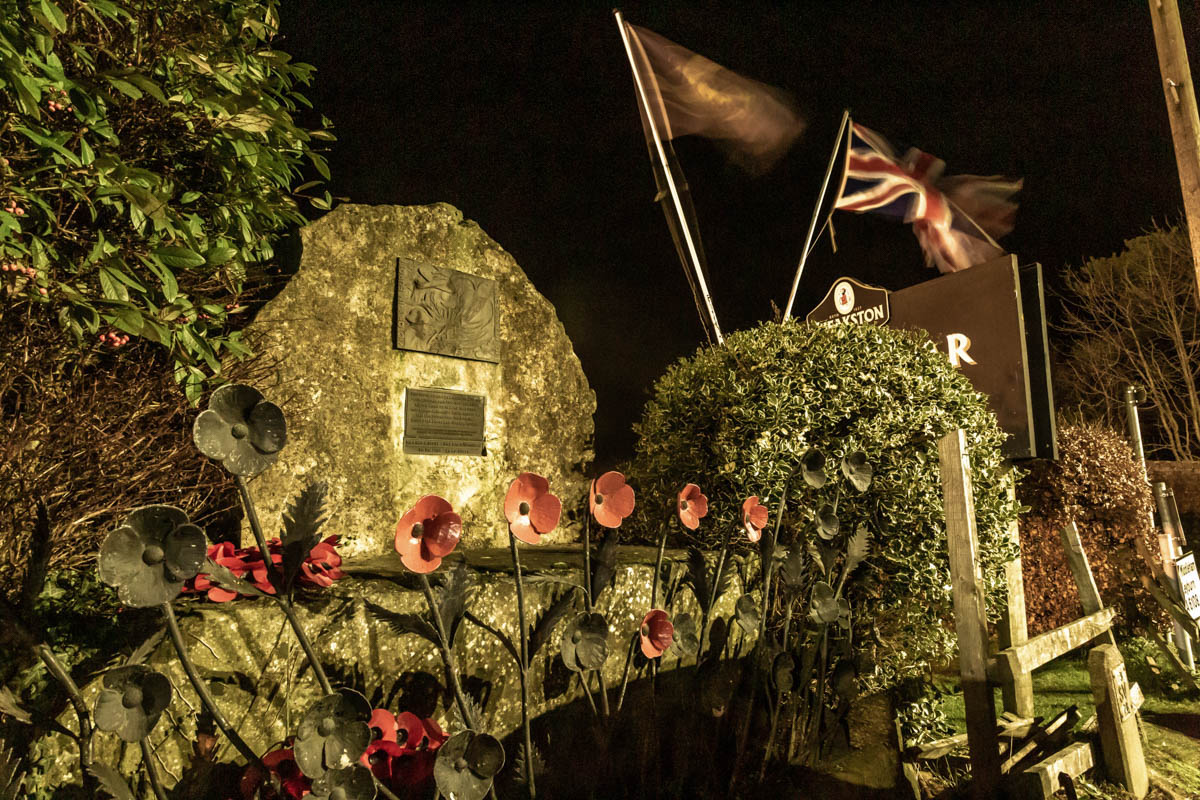
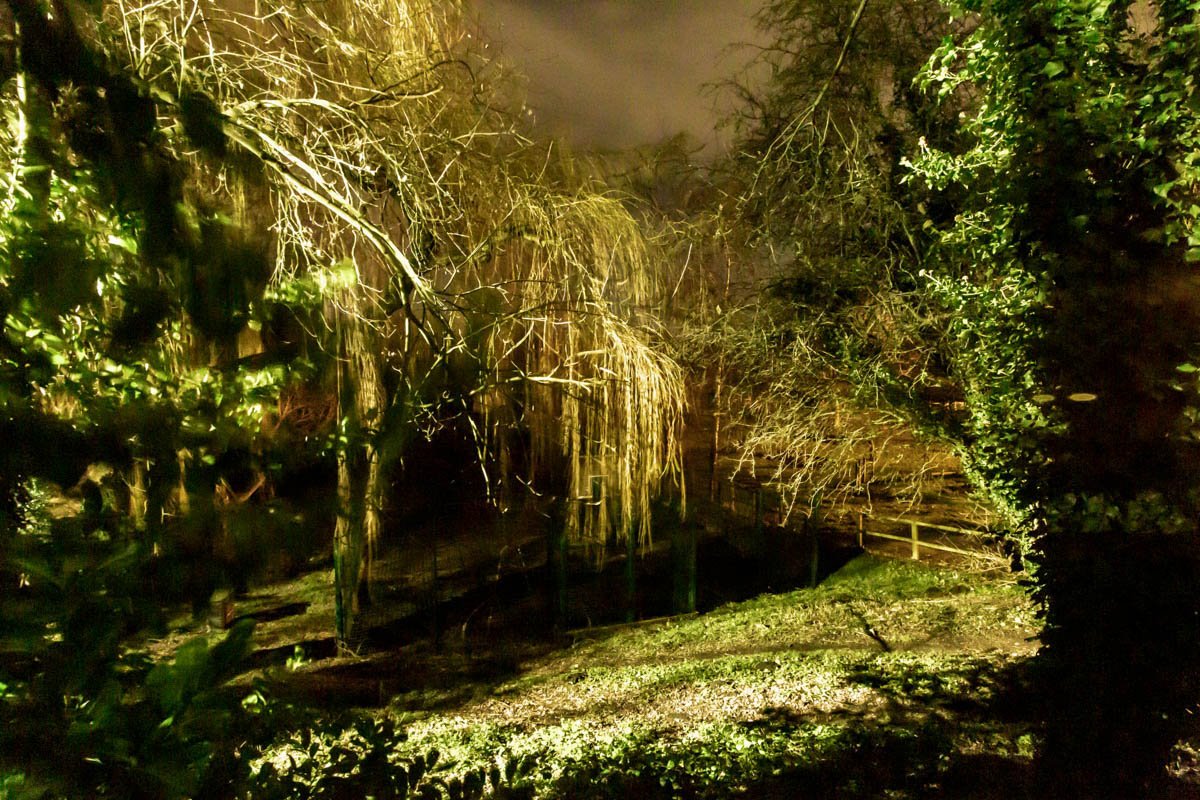
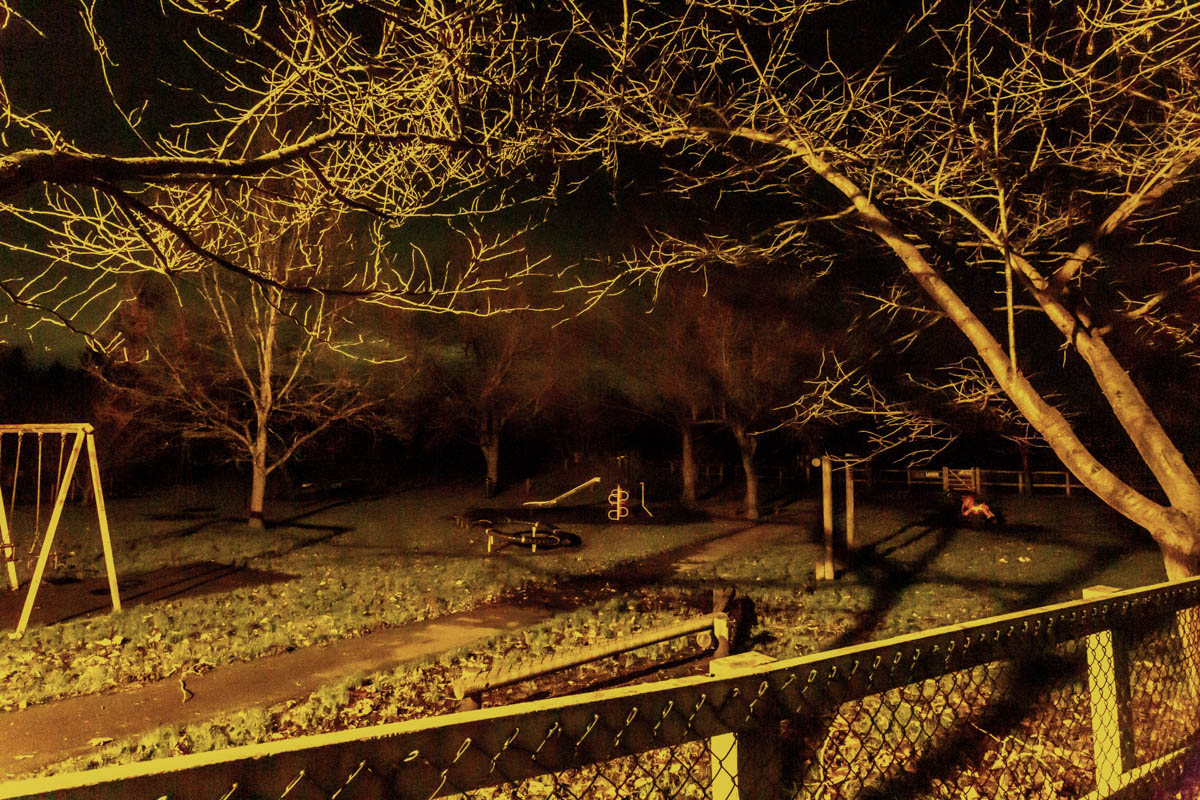
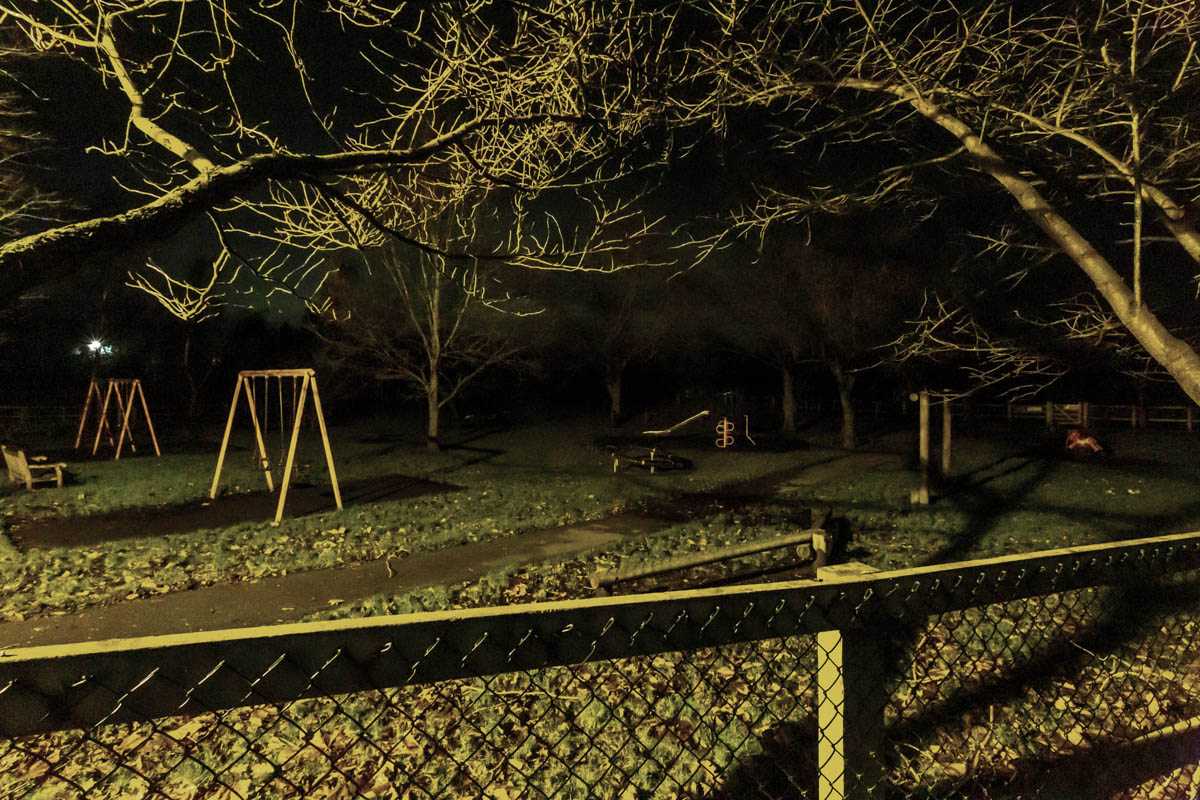
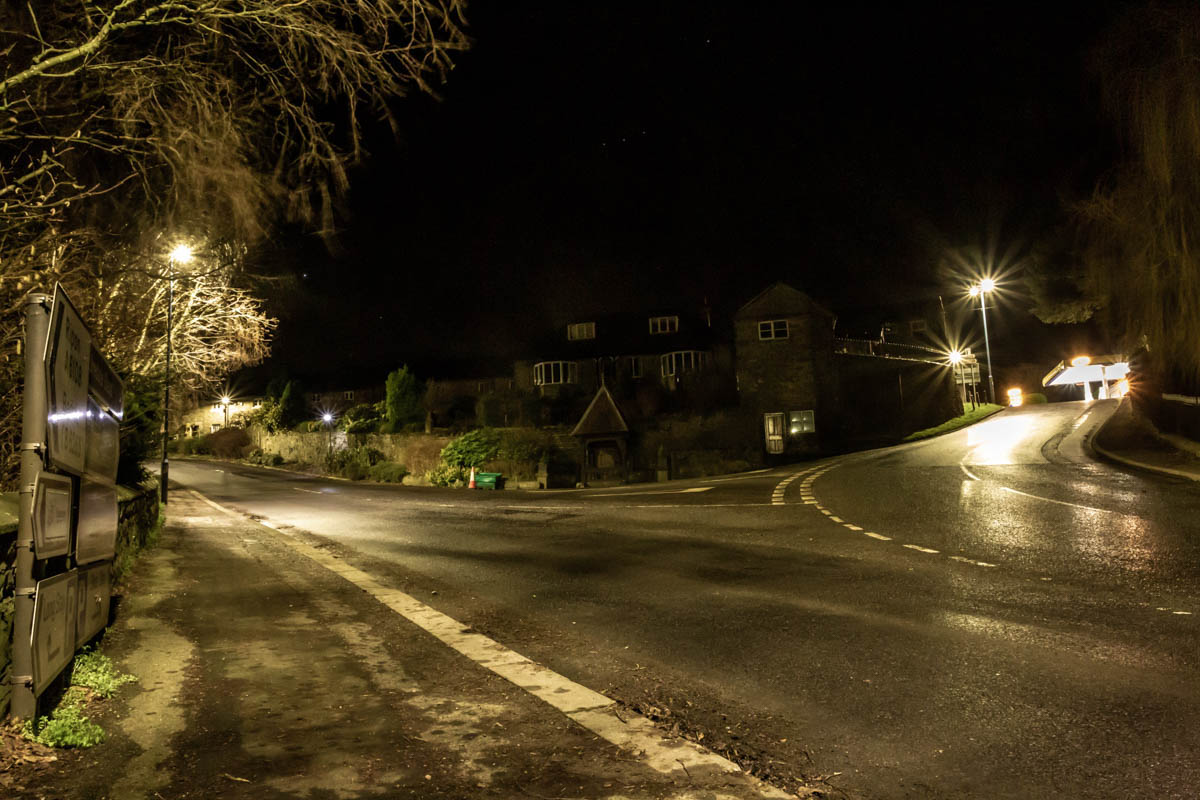
The path next to the children’s area became a nightly feature of my walks. I saw a lot of decisive moments walking from the pavilion end and following the path or taking the stairs to and from the Bruce Arms, different images on different days, would appear and disappear in the juxtaposition of the tree branches, trunks, the play park and its furniture intertwining with the street light geometry. The weather, the time of night and of the year, to which light source would be the most prevalent according to the view. I am finding the wind at night in landscapes gives the images a painterly feeling and can start to border on the abstraction in gales with the correct vantage points, exposure values, lighting angles. All is dictated by the biggest light source which along with, how the moon light will effect and affect the scene aesthetically. This will come from how clear the night is, to how full the moon is or is not. This will enable you to pick your key light. Doing this at night helps to train the eye for daylight. This is because the natural night only has a few tones of gradation compared to the billions of colours during daylight. This helps train the eye for shape and form going from 3d to a 2d image plane. Does the colour temperature of the light effect the colour of the finished edited image and should it affect the way you edit the image. Should you have a colour cast in your image, or should you normalise your image for the sake of being a sheep in a pen conforming to the flocks’ expectations of what is the considered shared authorship of an images reality on normality?
About Masham
Masham – originally Maessa’s Ham – probably owed its foundation to the gentle, flood-proof rise on which it stands, near an easily fordable part of the River Ure, together with its proximity to the course of a Roman road and its position on the main route from Wensleydale to York.
The present square with its beautiful Georgian houses was created in the 18th century. The huge market place would originally have been surrounded by thatched cottages and was the site for annual Sheep Fairs with over 80,000 heads of sheep being sold some years, including animals from the flocks of nearby Fountains and Jervaulx Abbeys.